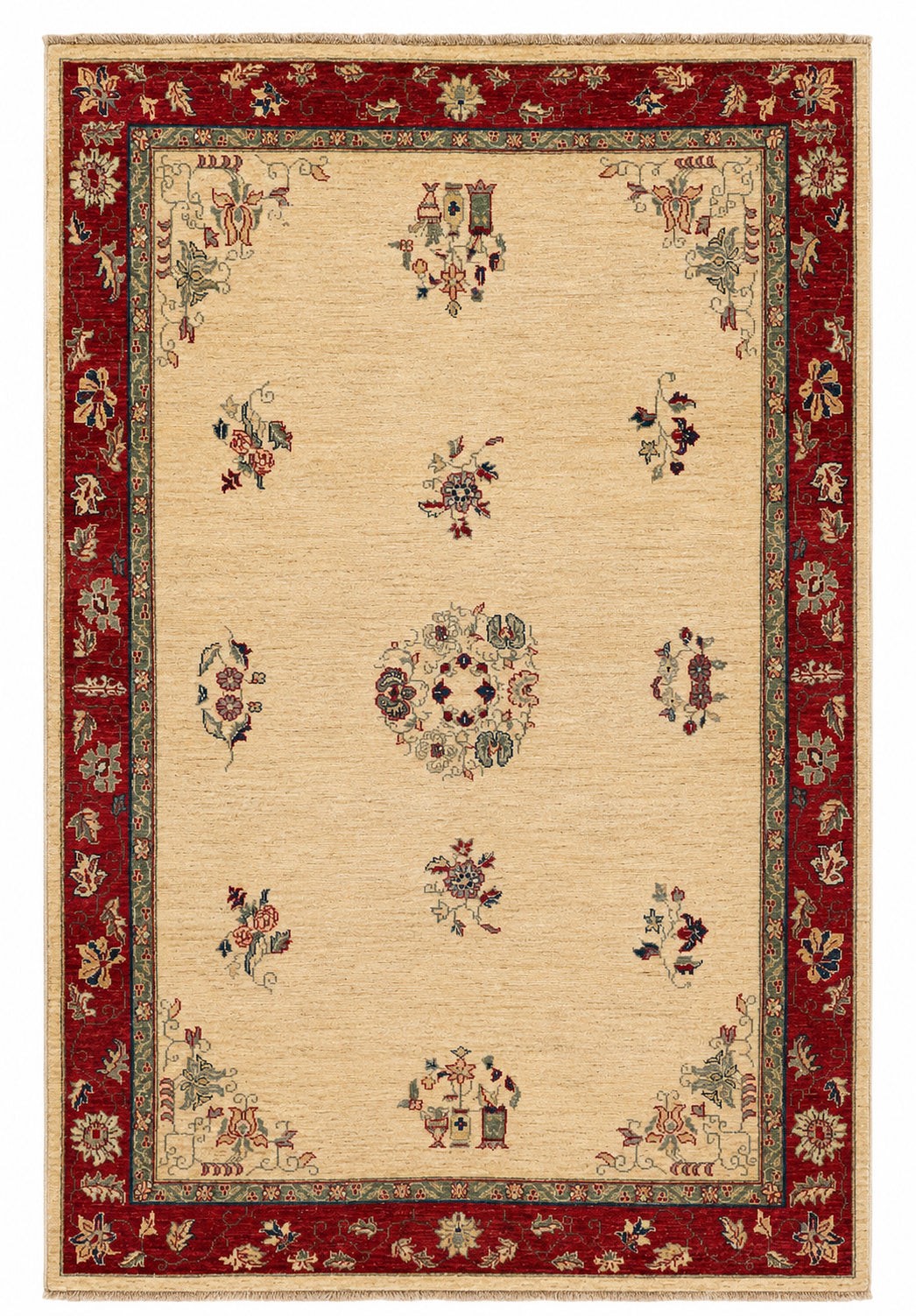
Agra
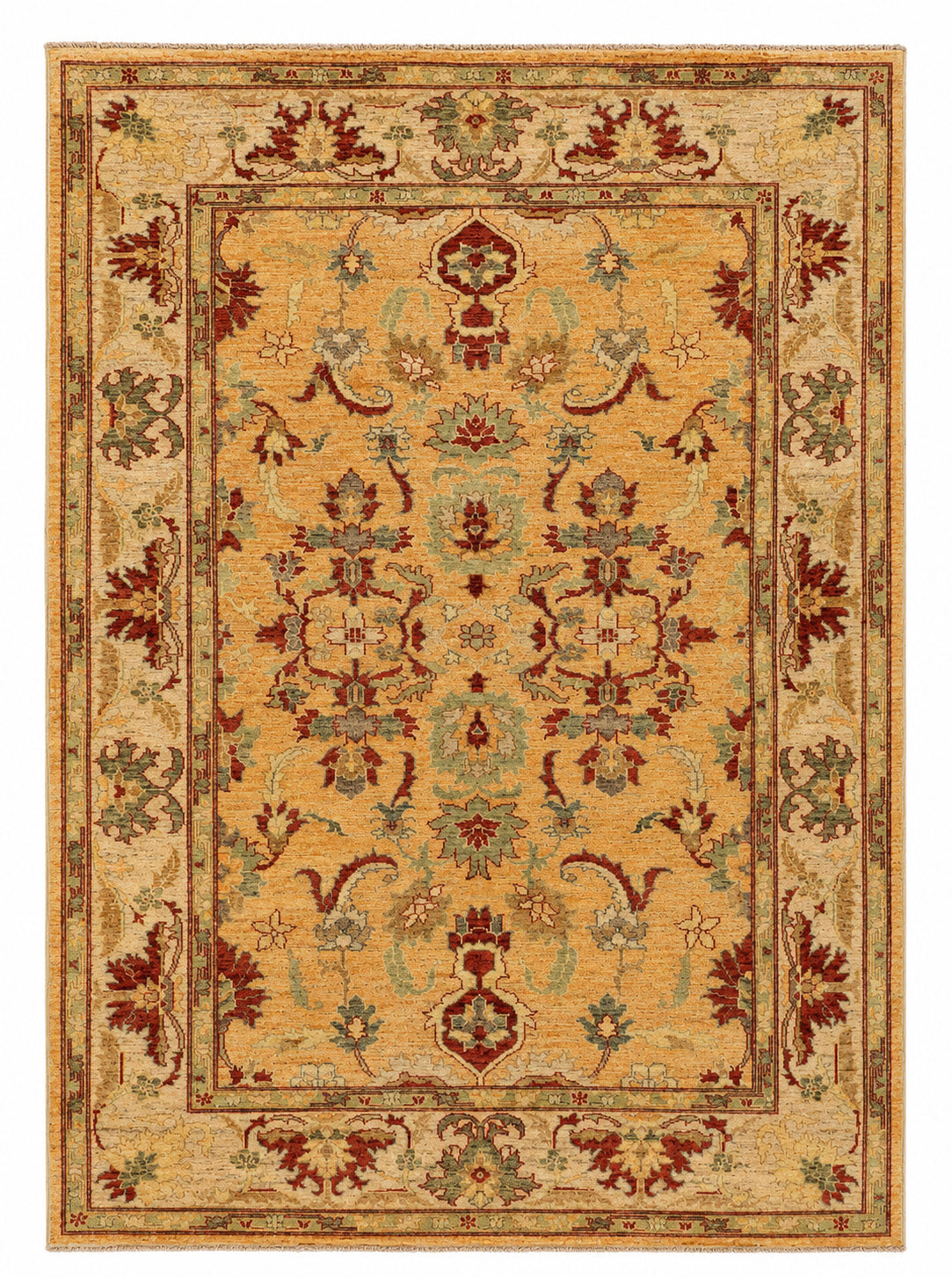
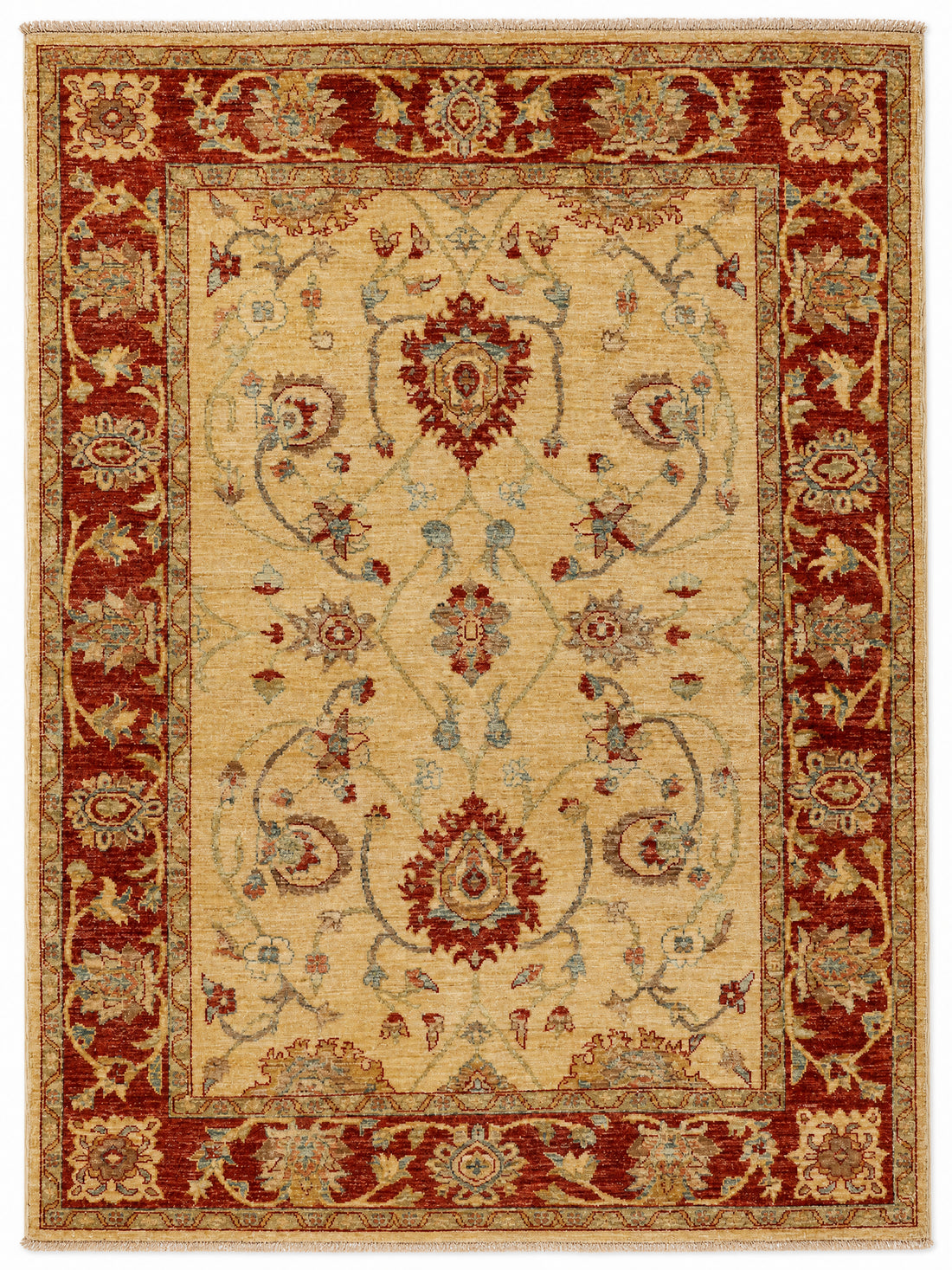
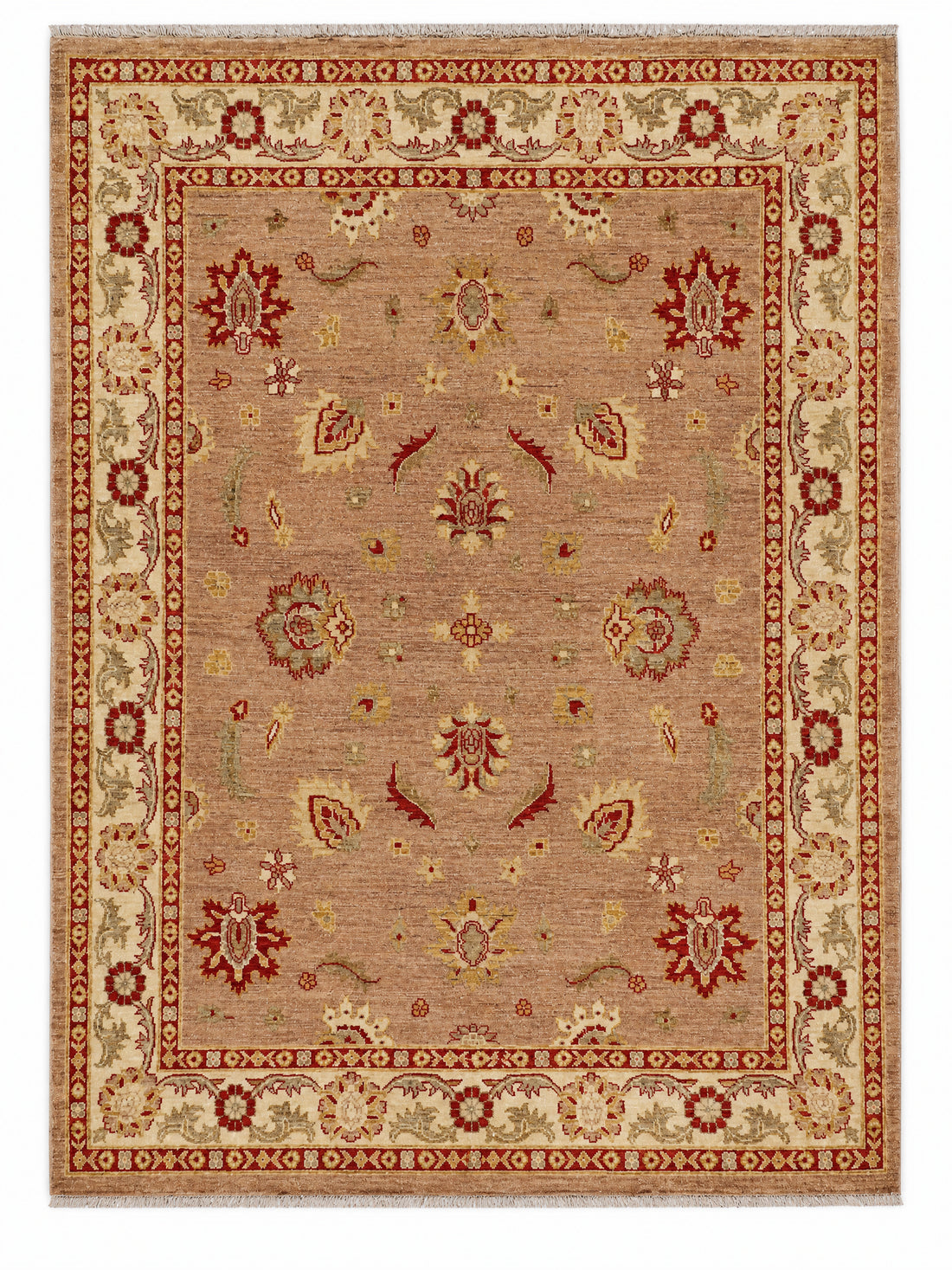
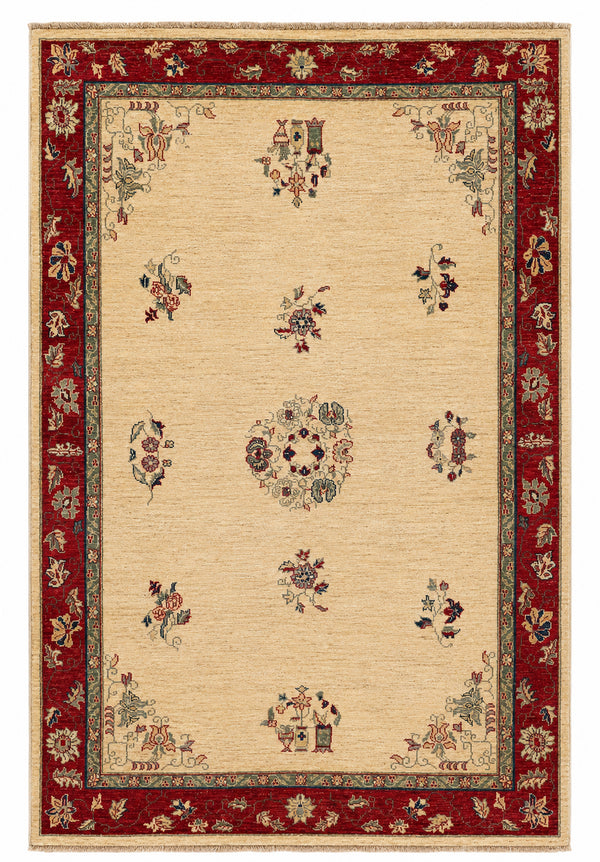
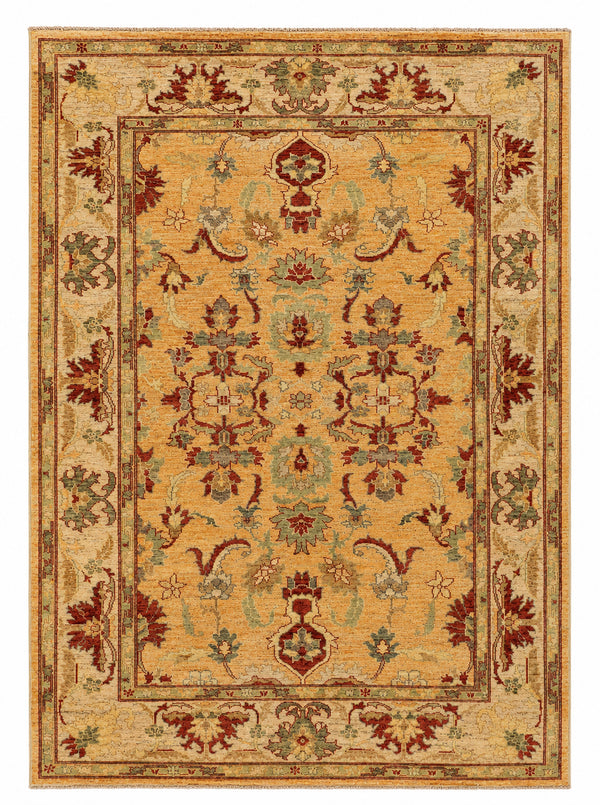
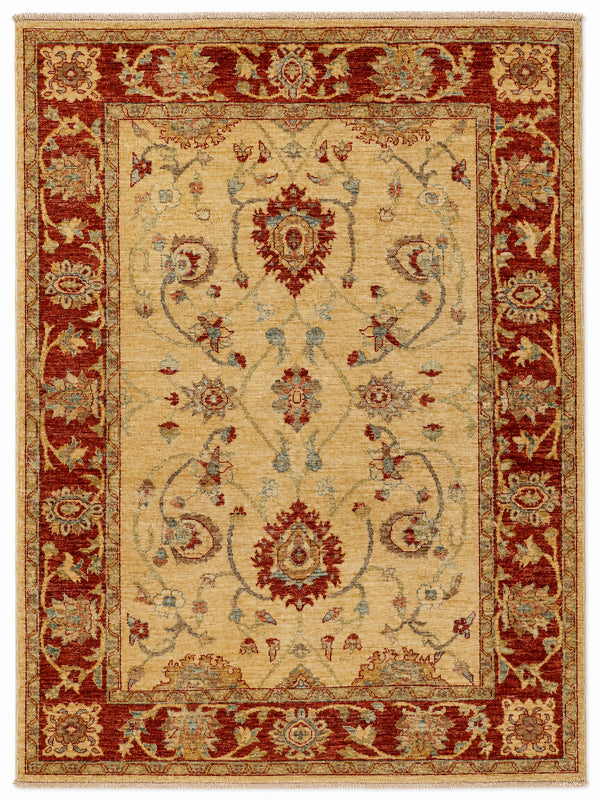
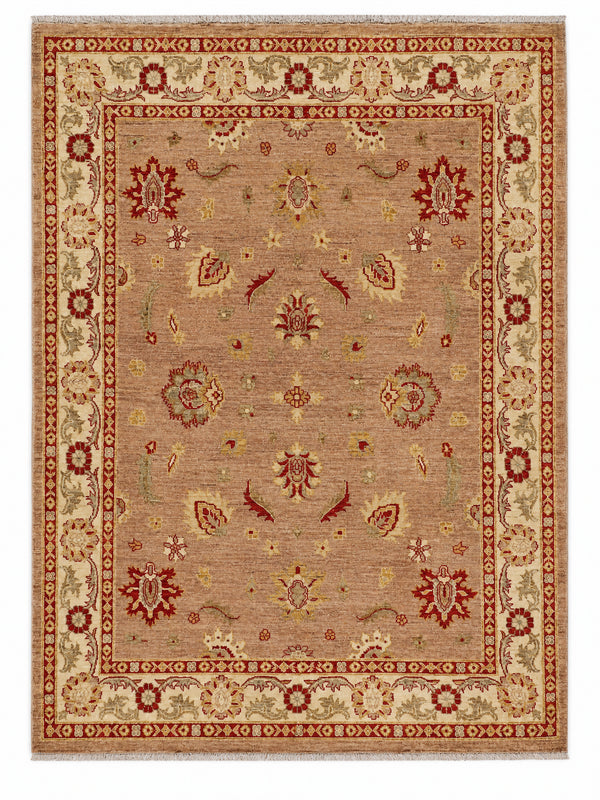
A garden imagined in wool. The Loomish Agra collection celebrates one of the most poetic traditions in carpet making — born from the Mughal world, where gardens, architecture, and art were created as expressions of paradise on earth. That same vision lives within Agra carpets: flowing vines, blooming forms, and compositions where every detail feels intentionally placed. The flowers are not simply decoration; they are arranged like a garden shaped by imagination and perfected through craftsmanship. A piece of nature preserved in wool, created to bring harmony, warmth, and quiet beauty into the spaces we call home.
6 pieces online now


End of the room
That is the selection online.
The house holds a great deal more than is shown here. What you do not see, ask for.


Added to cart
The tradition
Agra rugs
Questions
What is an Agra rug?
An Agra is a hand-knotted rug in the floral tradition of the Mughal workshops at Agra in northern India, where Persian design method met Indian drawing. It is recognised by large-scale florals, arabesques and trellises set in an unusually open field.
What is the difference between an Agra and a Persian rug?
Agra takes its method from Persian weaving but not its palette or density. Persian carpets of the same tradition are deeper in colour and tighter in drawing; an Agra is lighter, cooler and more open, with sand, celadon and faded rose in place of saturated madder and indigo.
Why are Agra rugs described as garden designs?
Because they were drawn inside the Mughal garden tradition, where planting, paths and water were laid out to a deliberate plan. The flowers in an Agra are arranged on a structure rather than scattered, and the vines connecting them follow that plan.
What size room suits an Agra rug?
A large one. The drawing is generous and needs distance to be read, so an Agra is at its best in a long room or one with high ceilings where the whole field can be seen at once.