Collection

Runners

Length, held to a width.
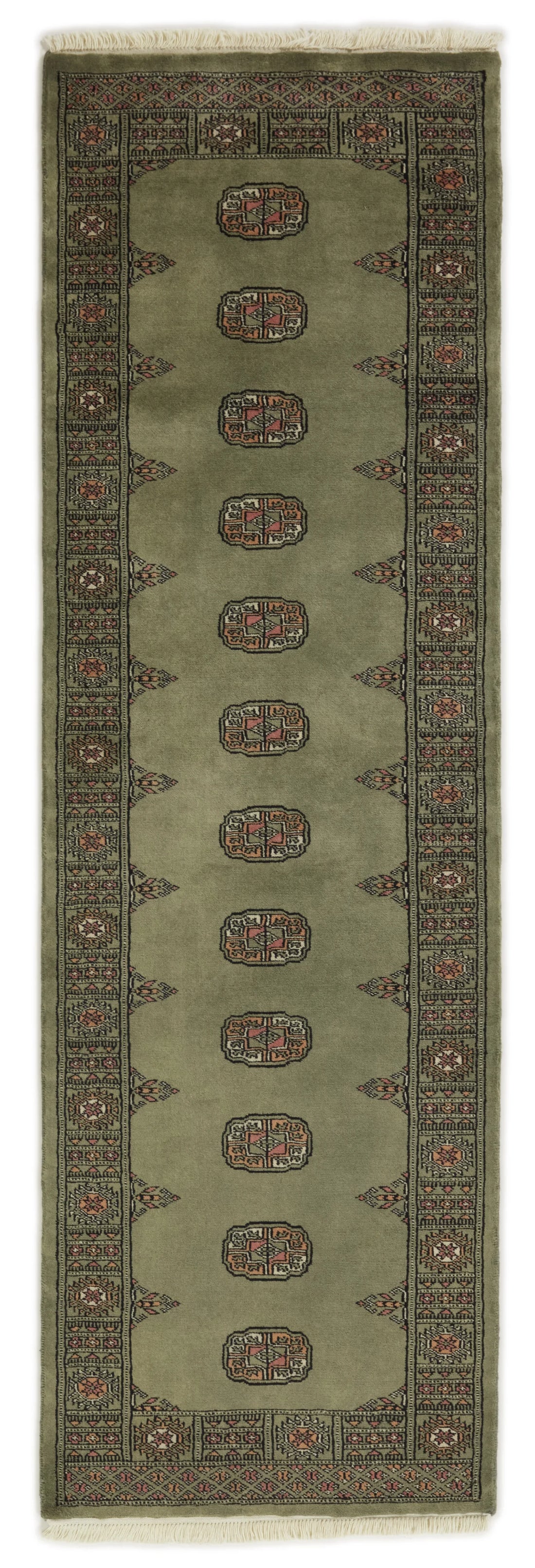
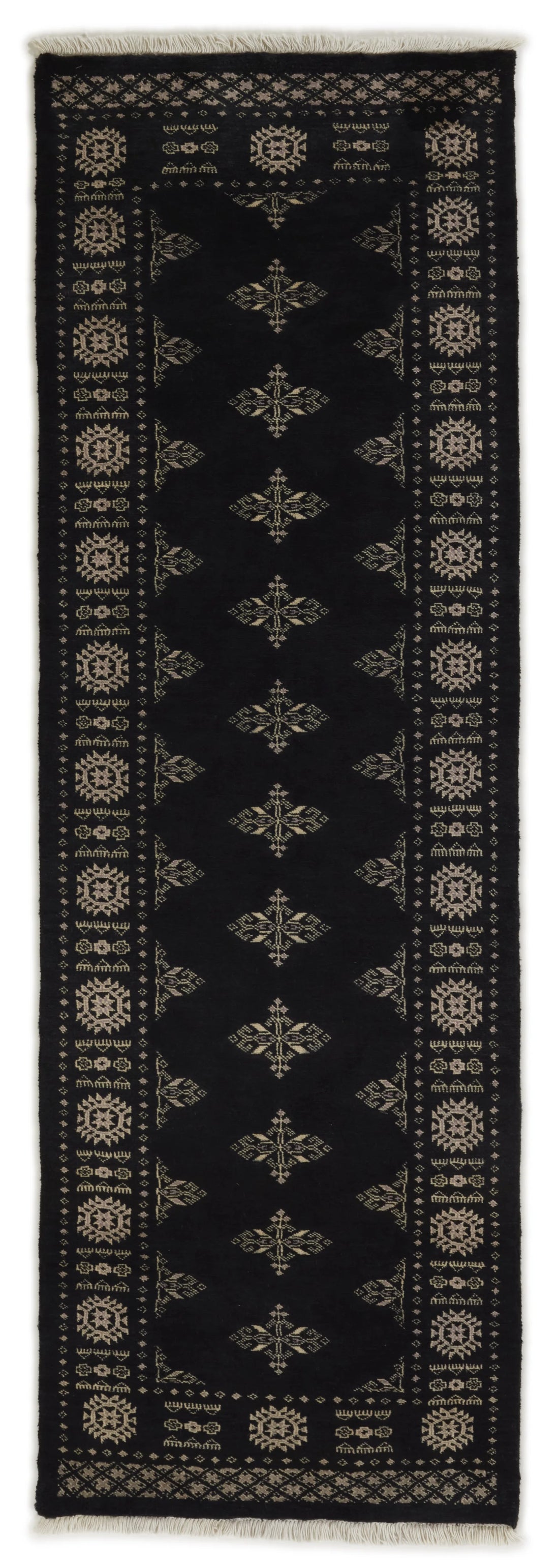
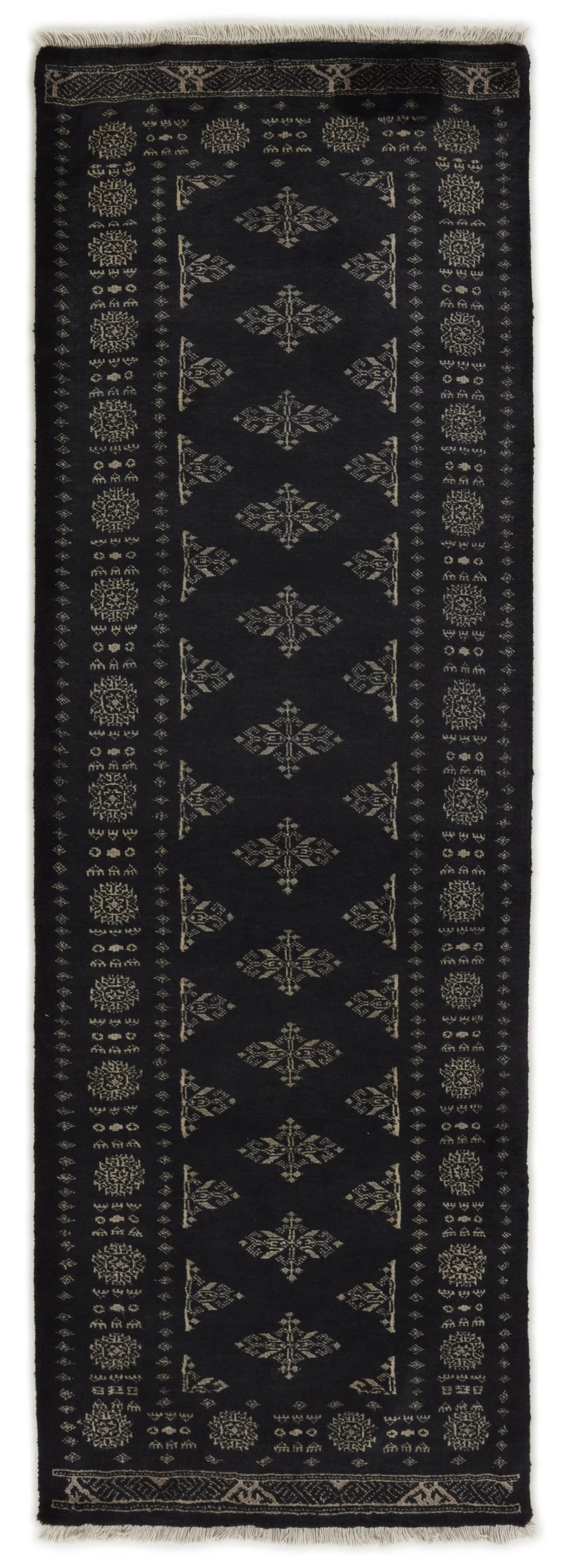
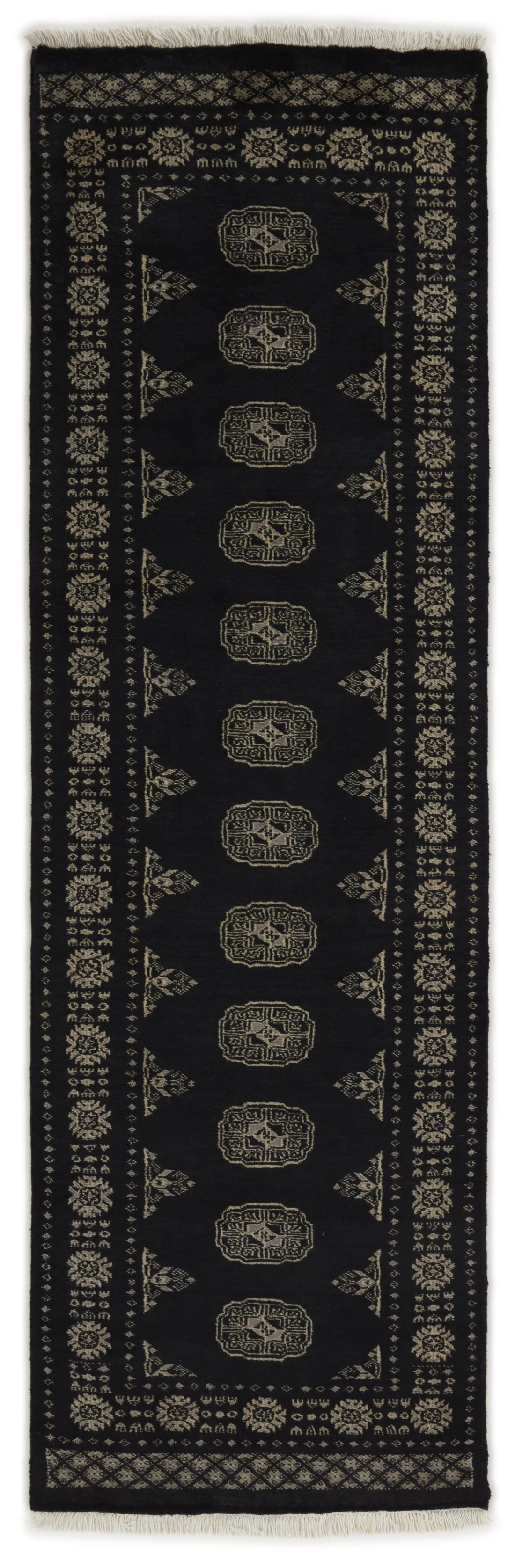
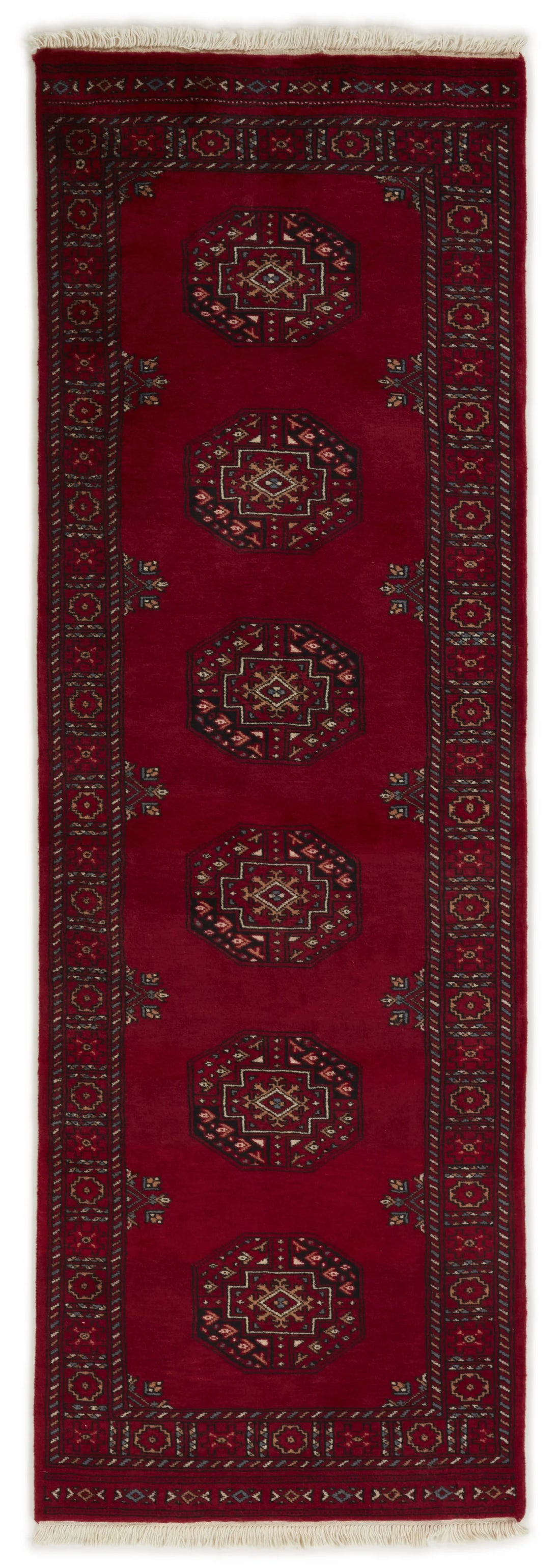
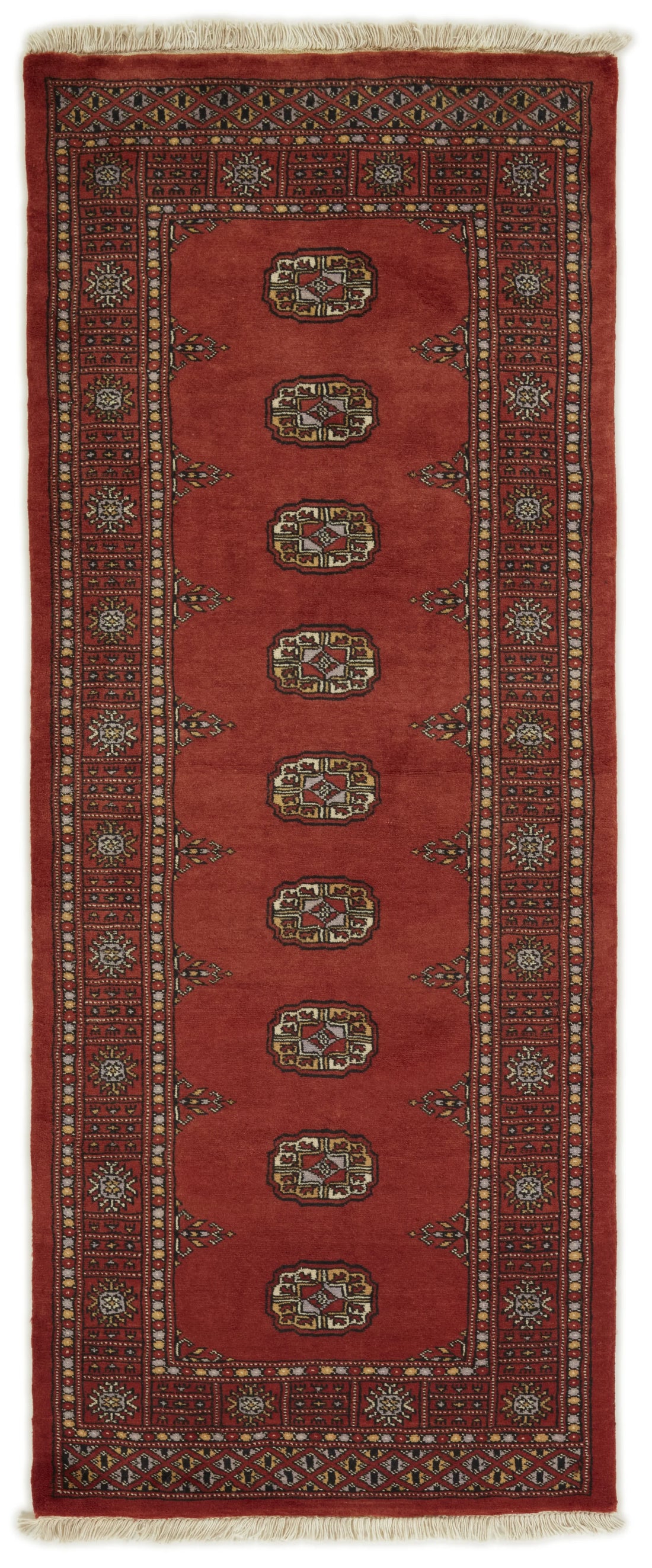
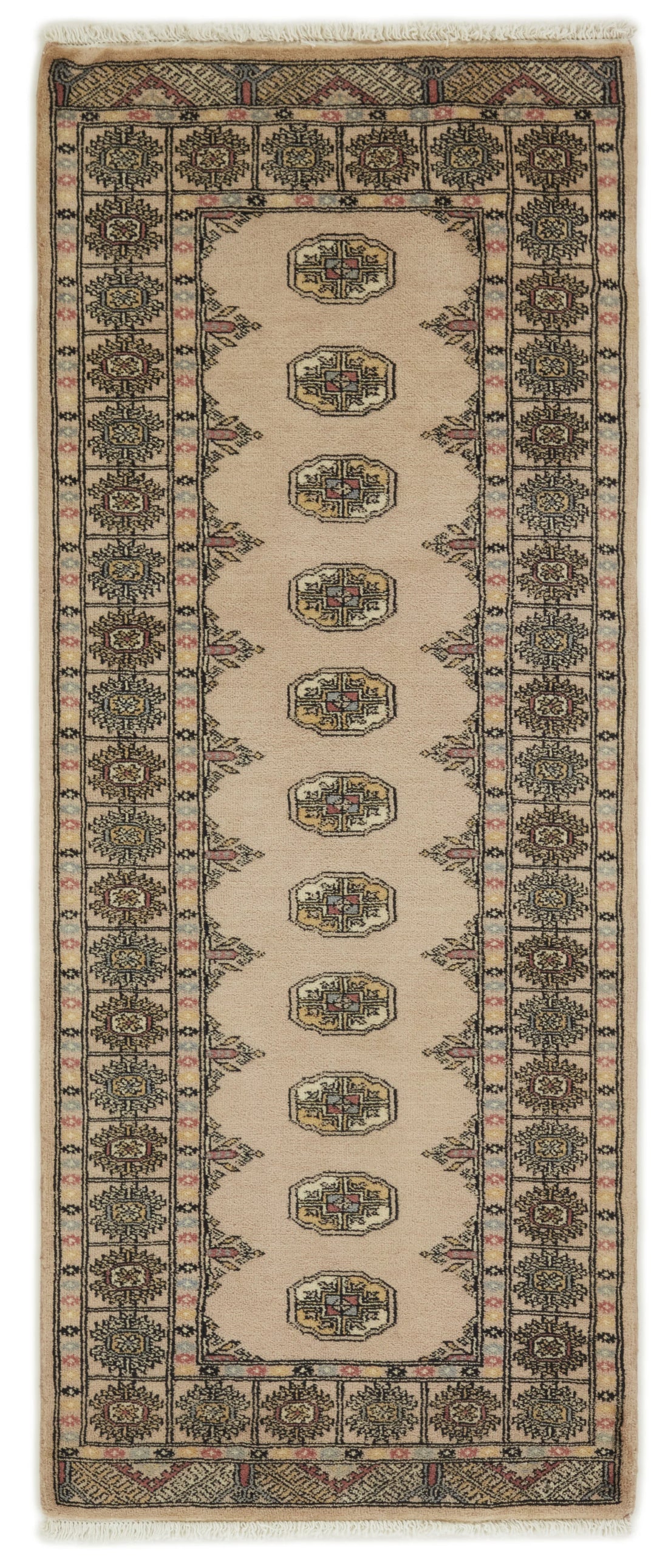
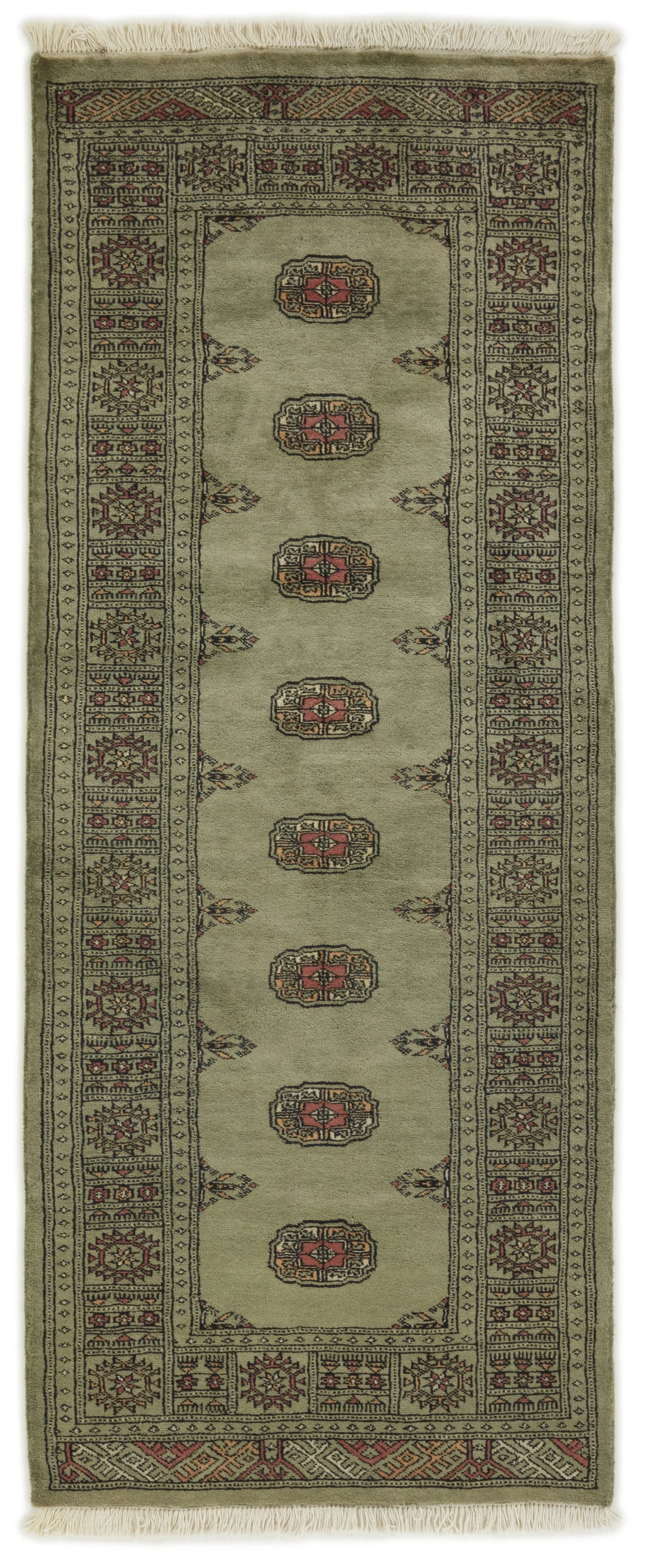
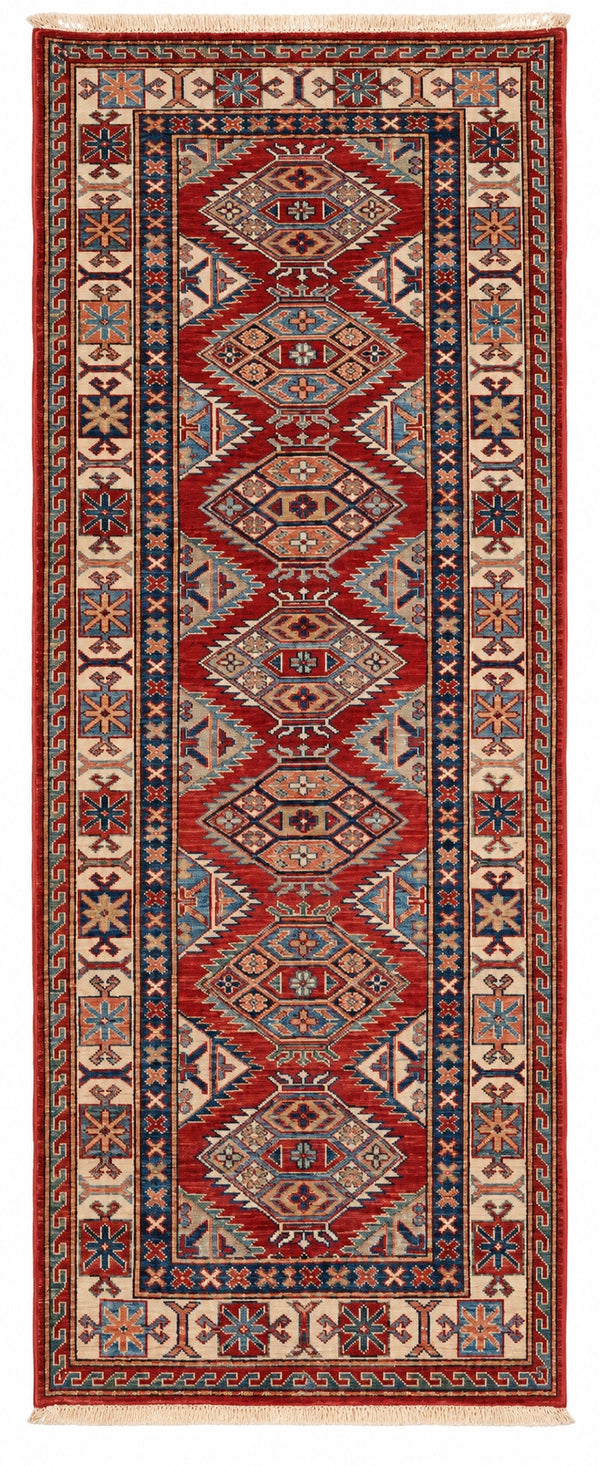
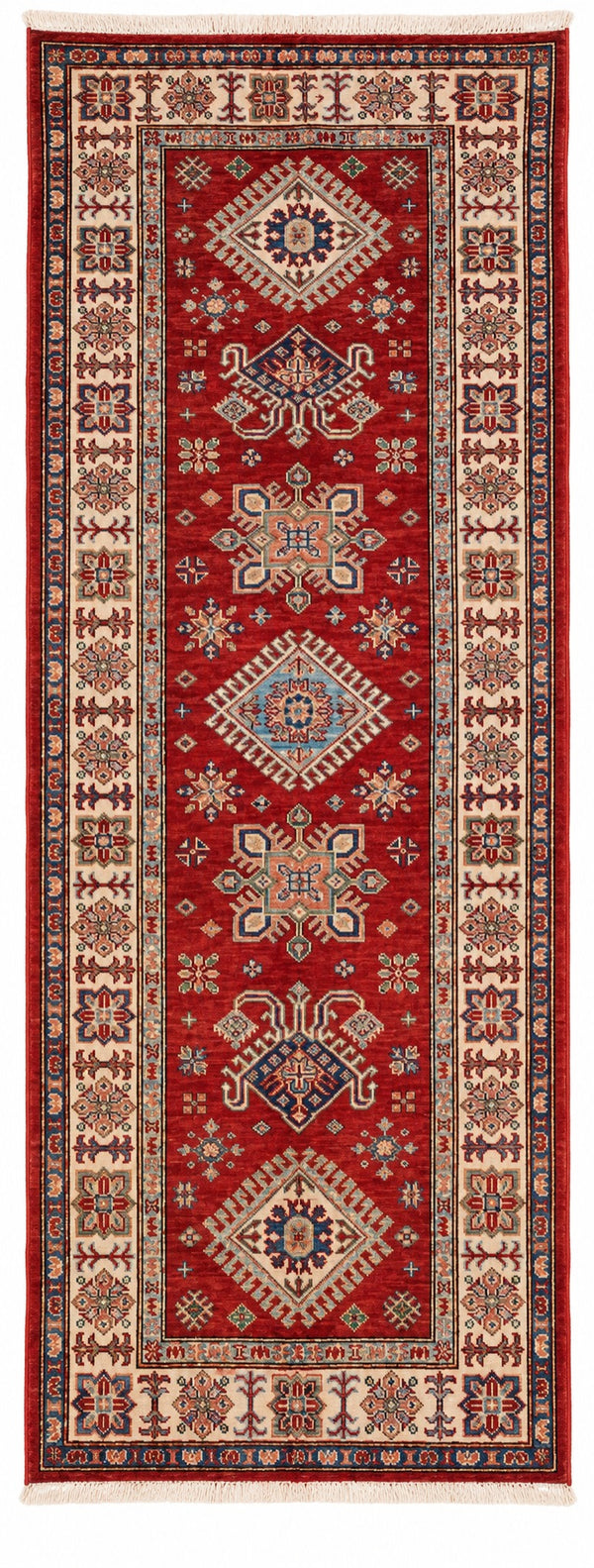
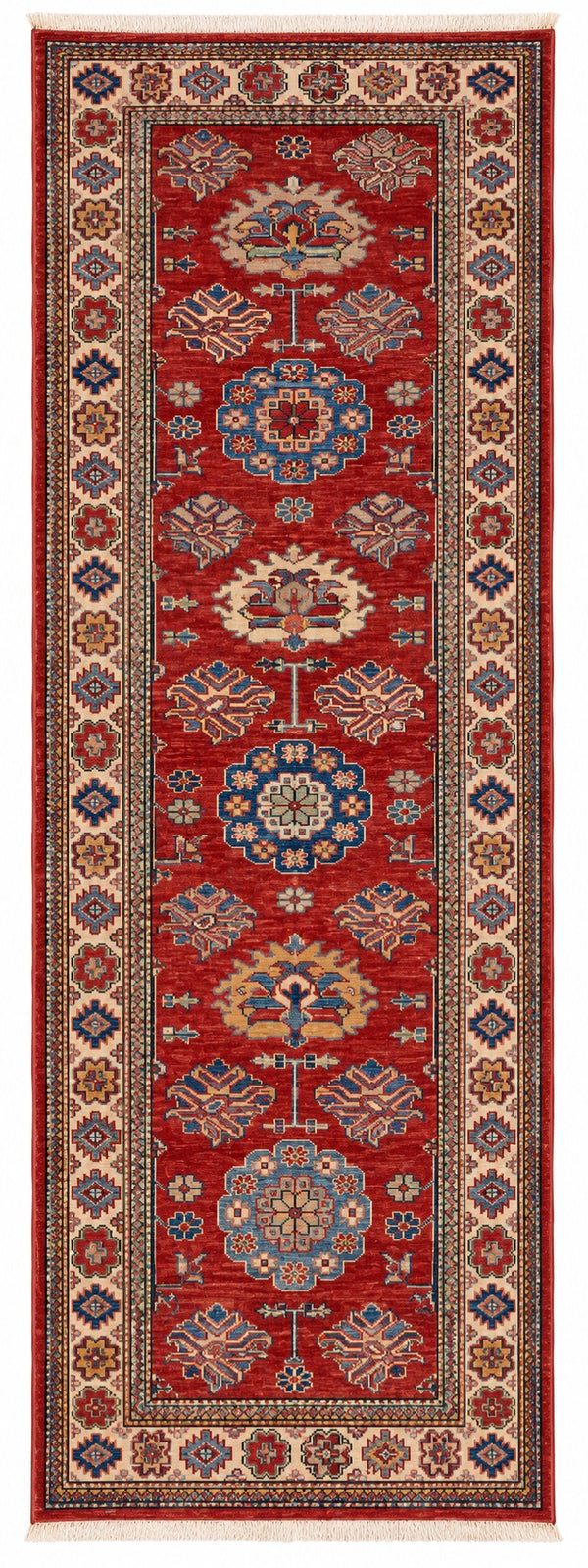
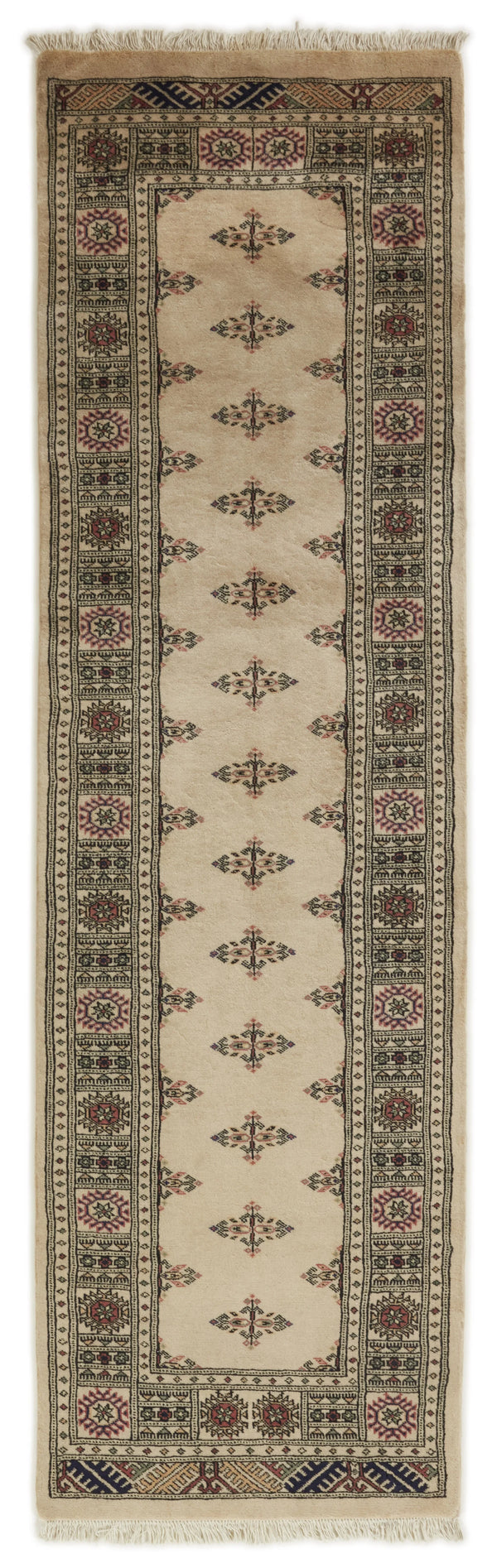
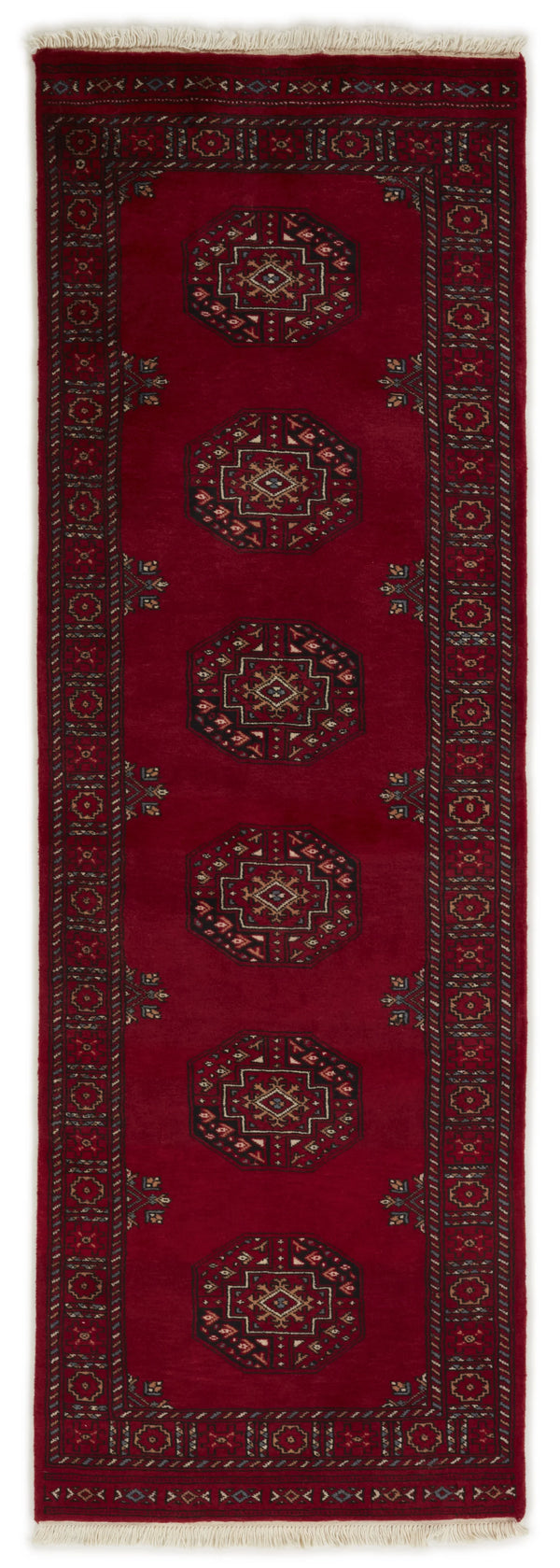
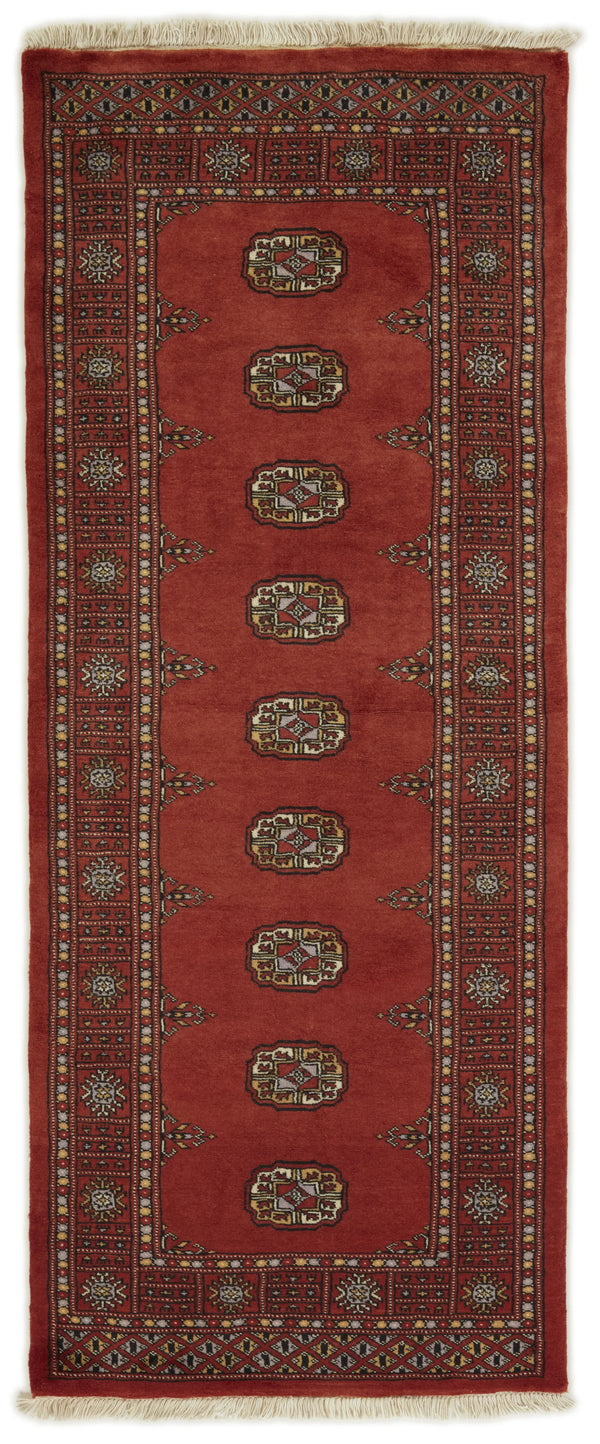
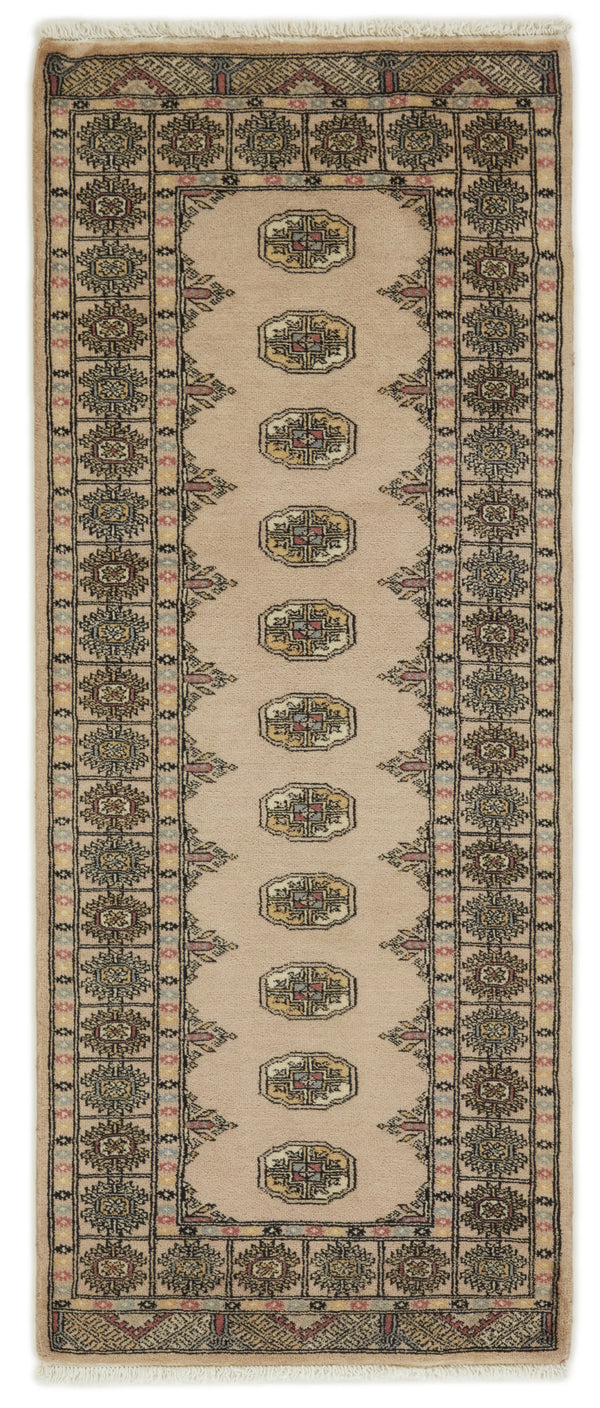
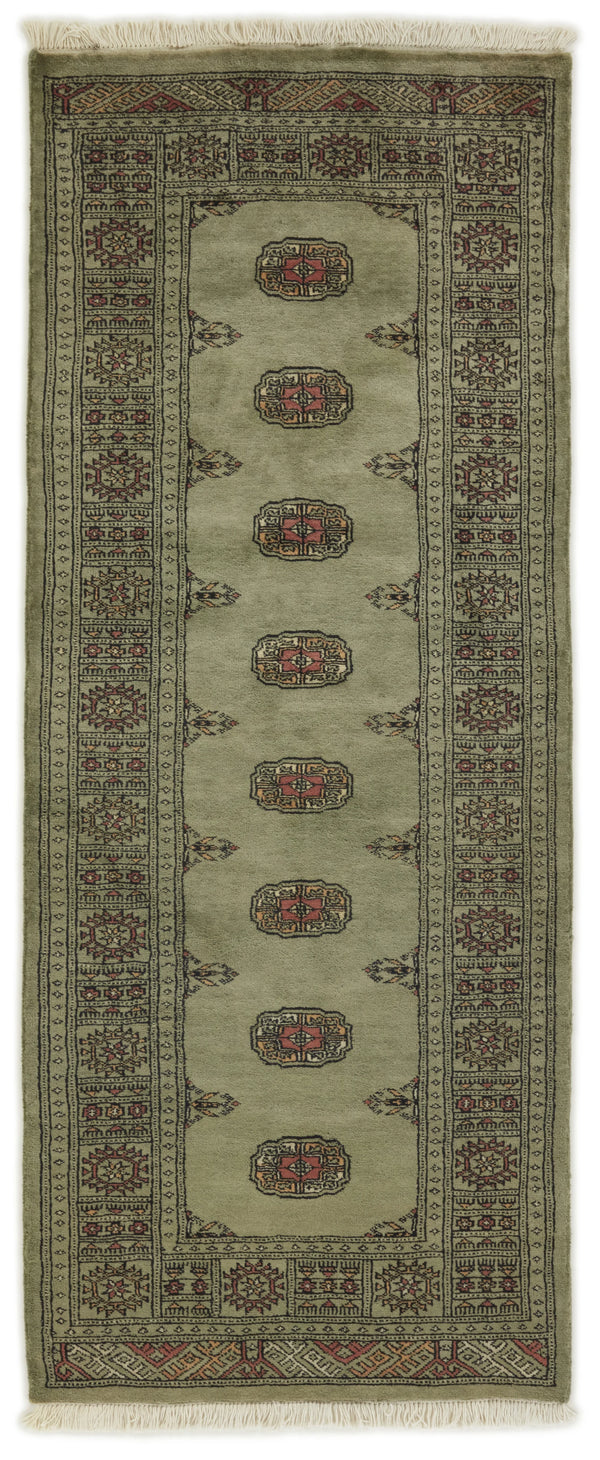
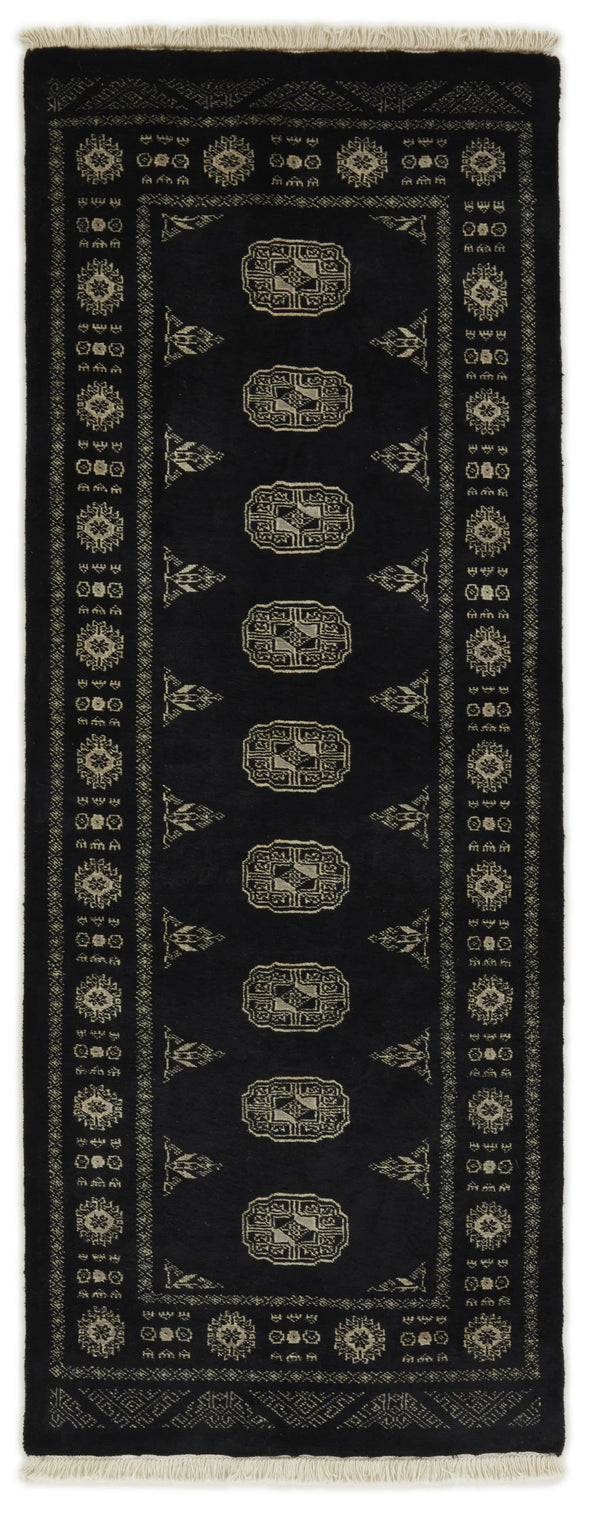
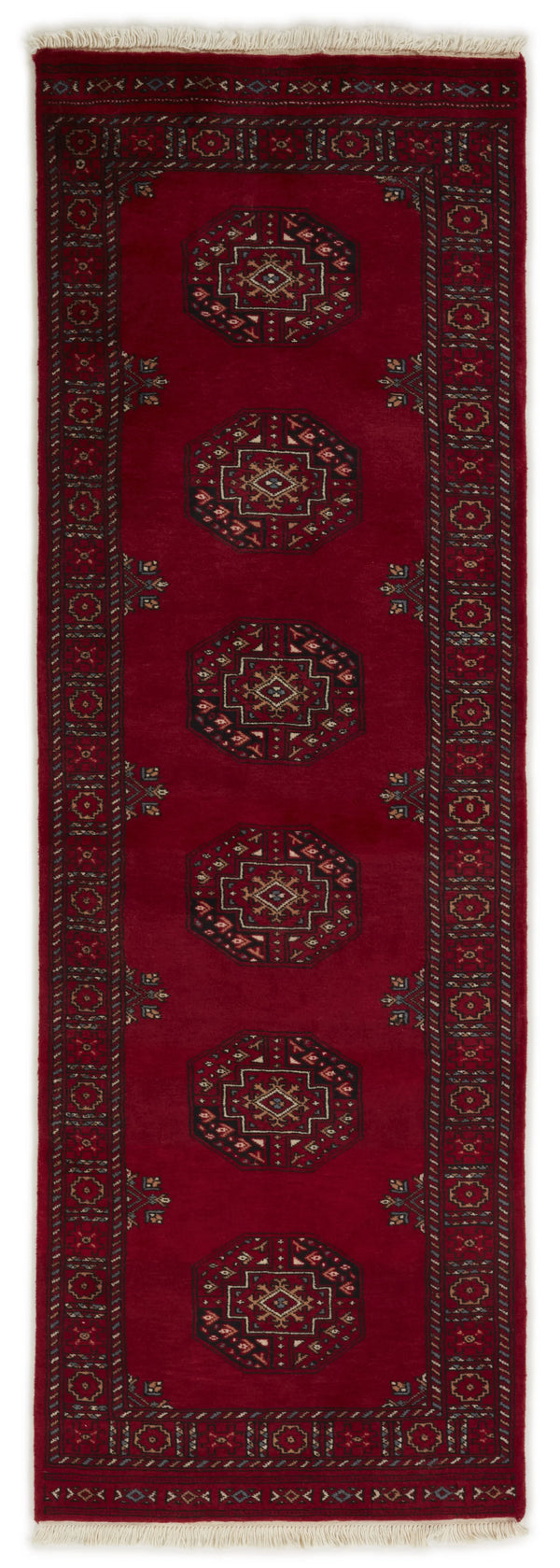
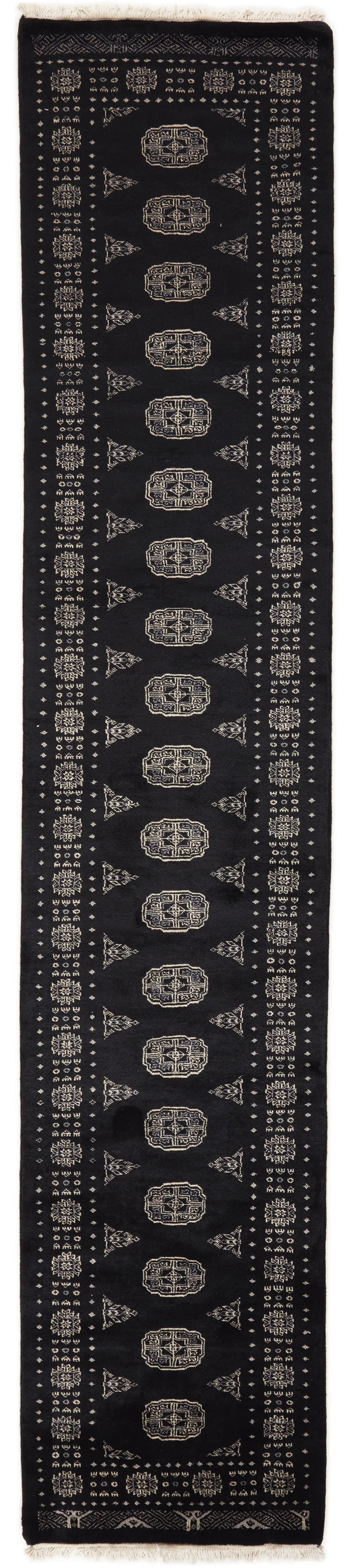
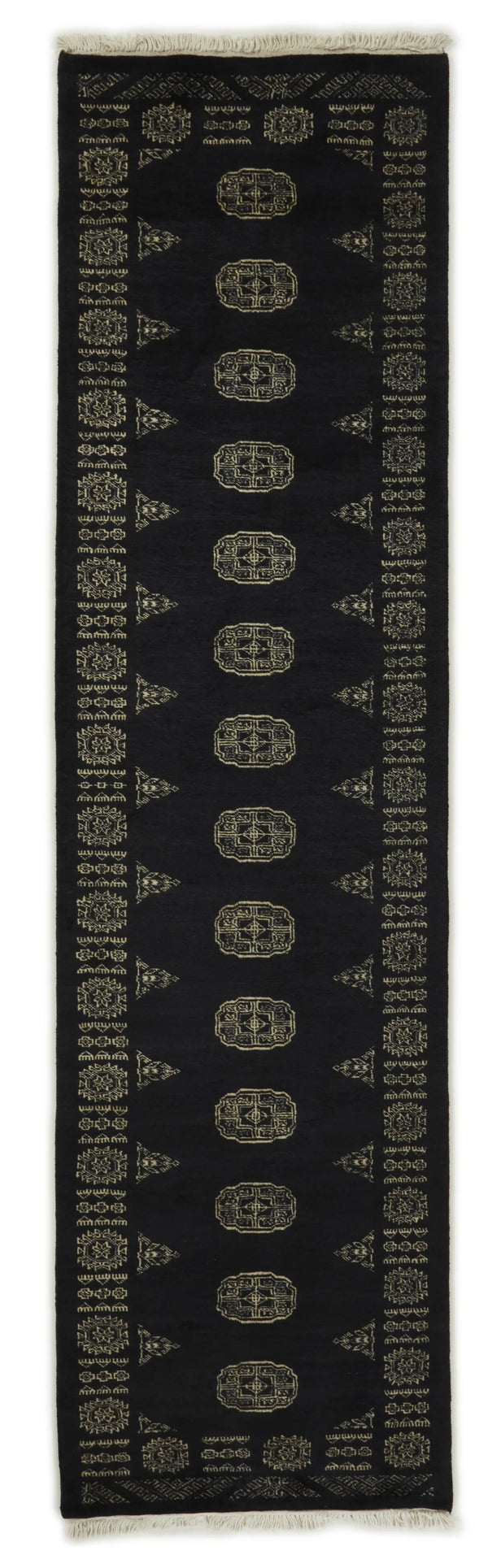
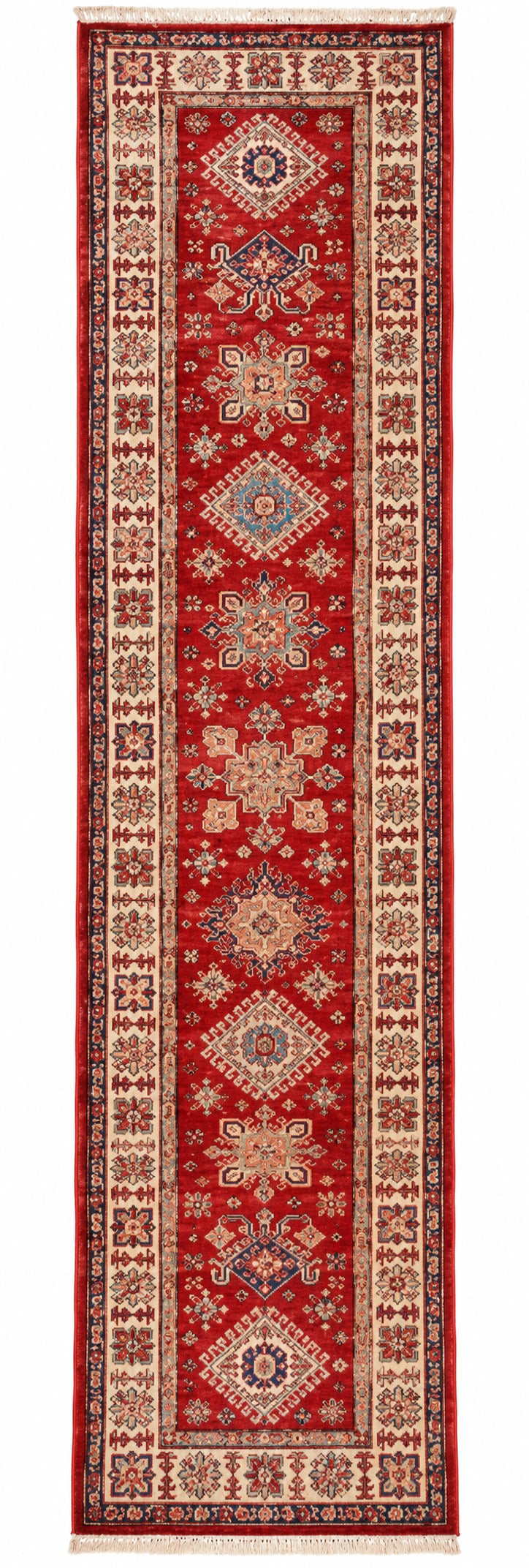
A runner is a rug drawn for a route rather than a room — the hall, the galley kitchen, the floor along one side of a bed. Two traditions are here. Bokhara, hand-knotted in three-ply New Zealand wool, whose repeated gul reads correctly however far a field is stretched; it is held in depth, so a matching pair, or a set for a whole corridor, is a conversation rather than a search. And Kazak, its medallions set one above the next down the length, each runner a single piece. Online, widths sit between 2.4 and 2.7 feet and lengths run from 6.4 feet to 12.6.

24 pieces online now
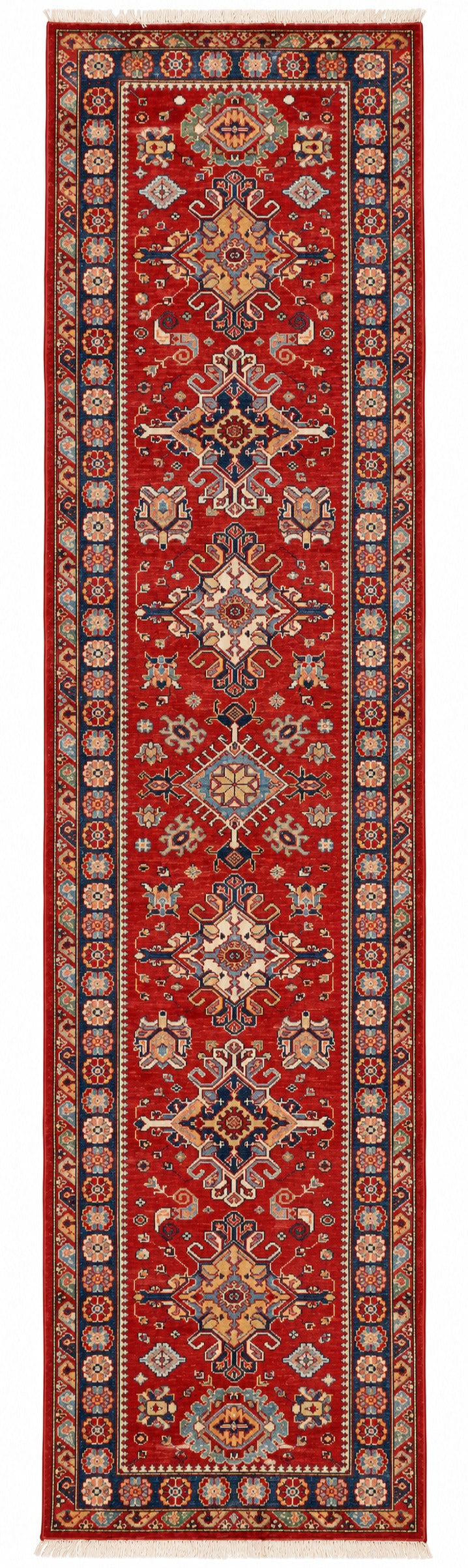
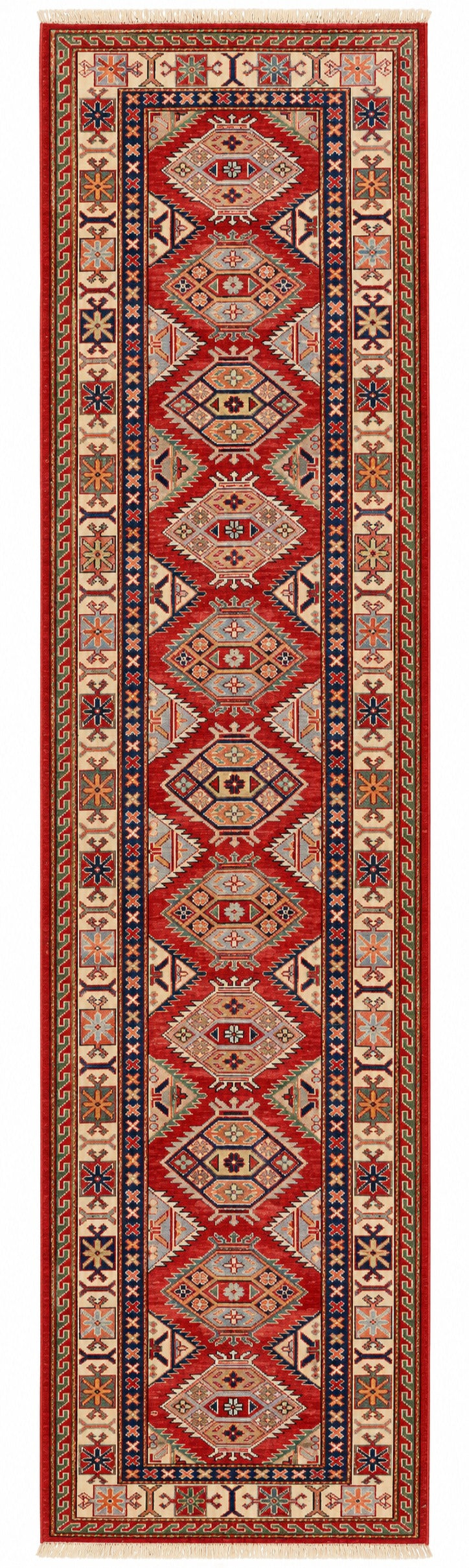
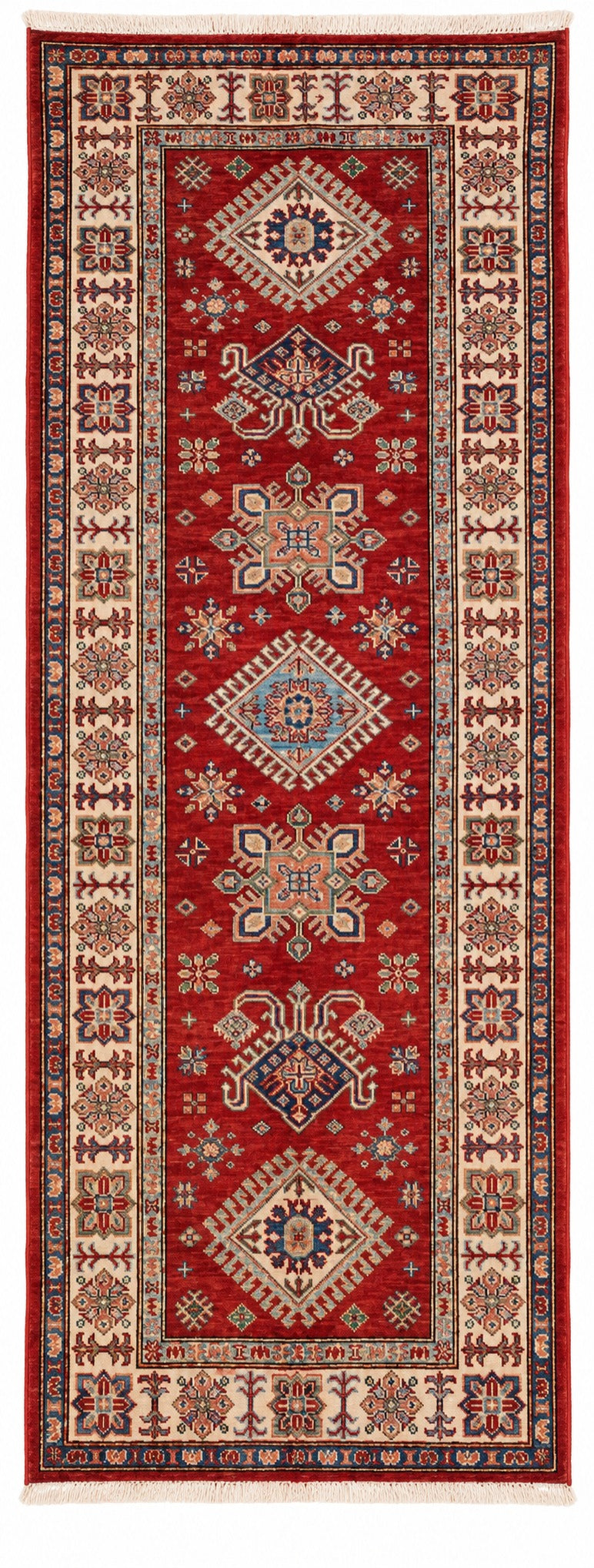
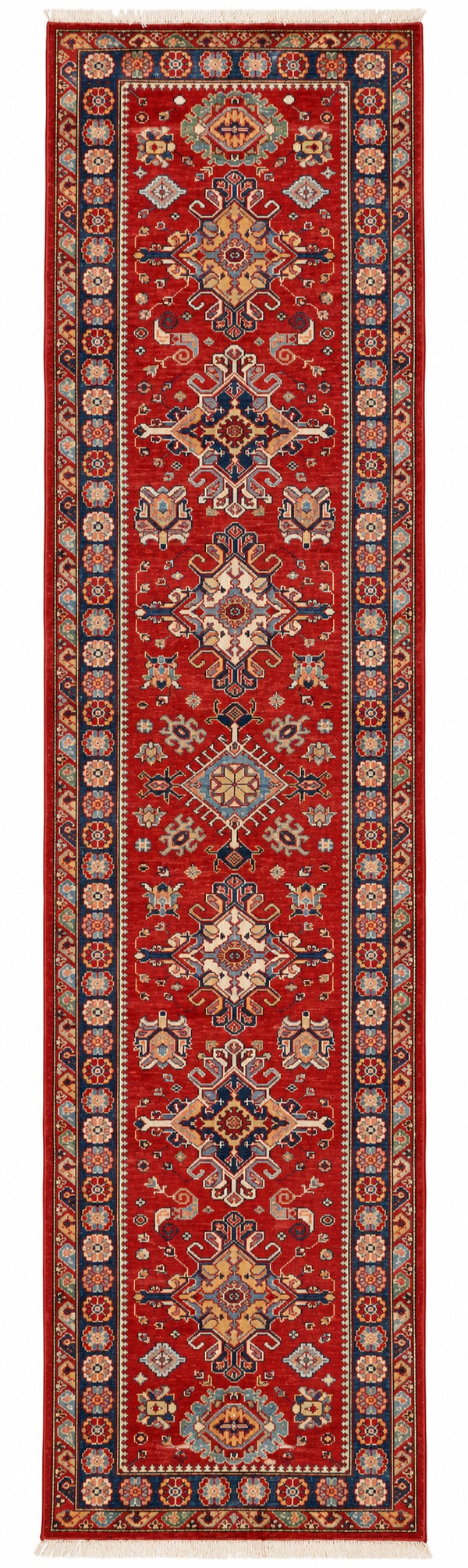
Kazak hand-knotted wool runner, 2.6 × 10.4 ft
Nº 01KazakRunner2.6 × 10.4 ftRs 177,500 Single piece
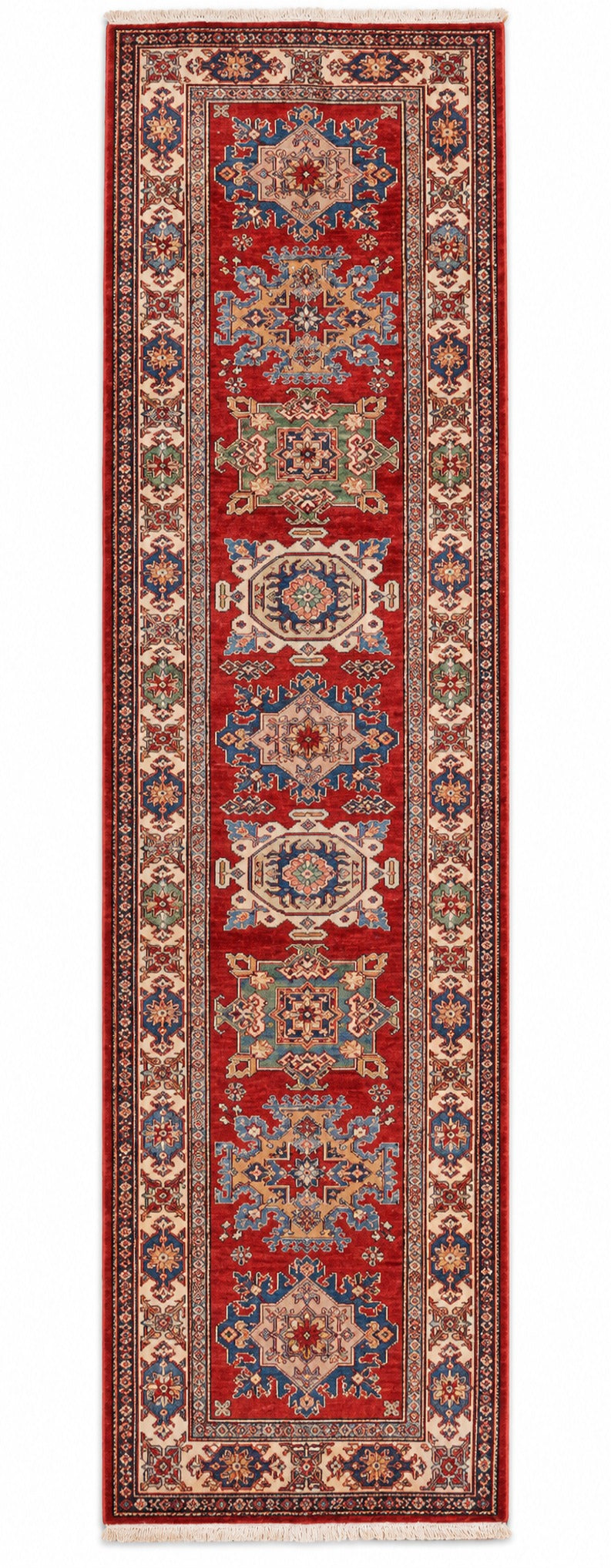
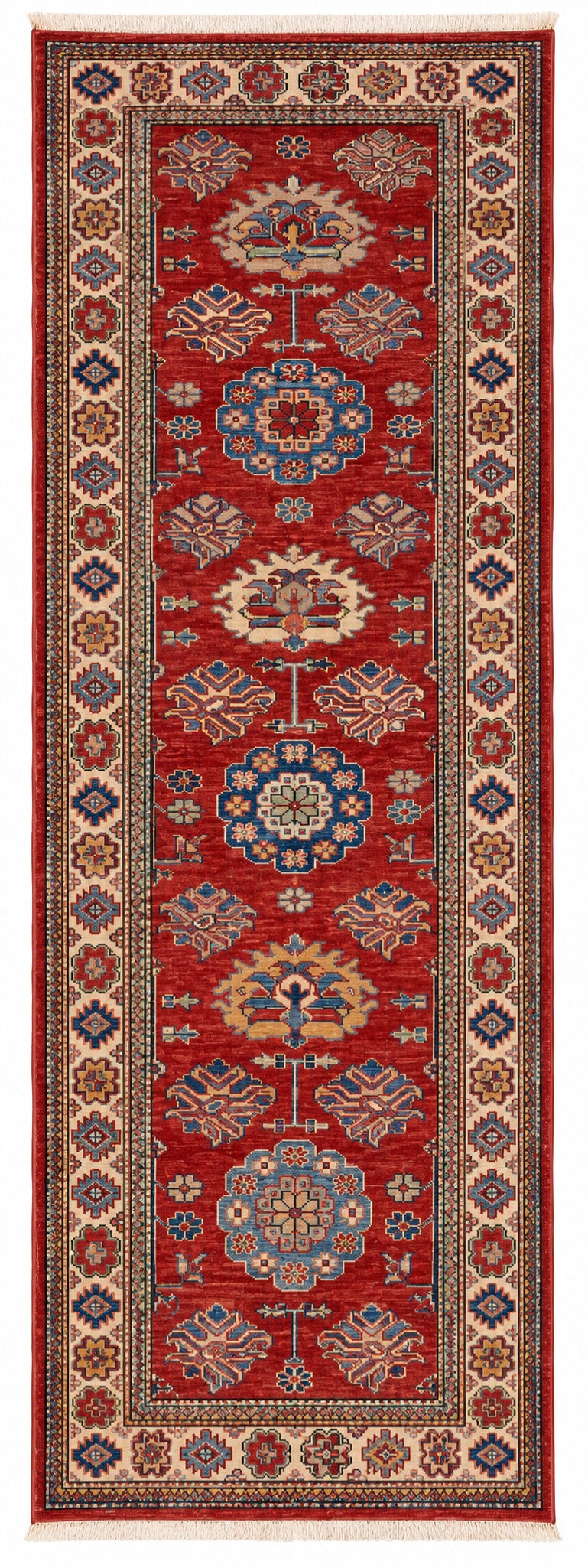
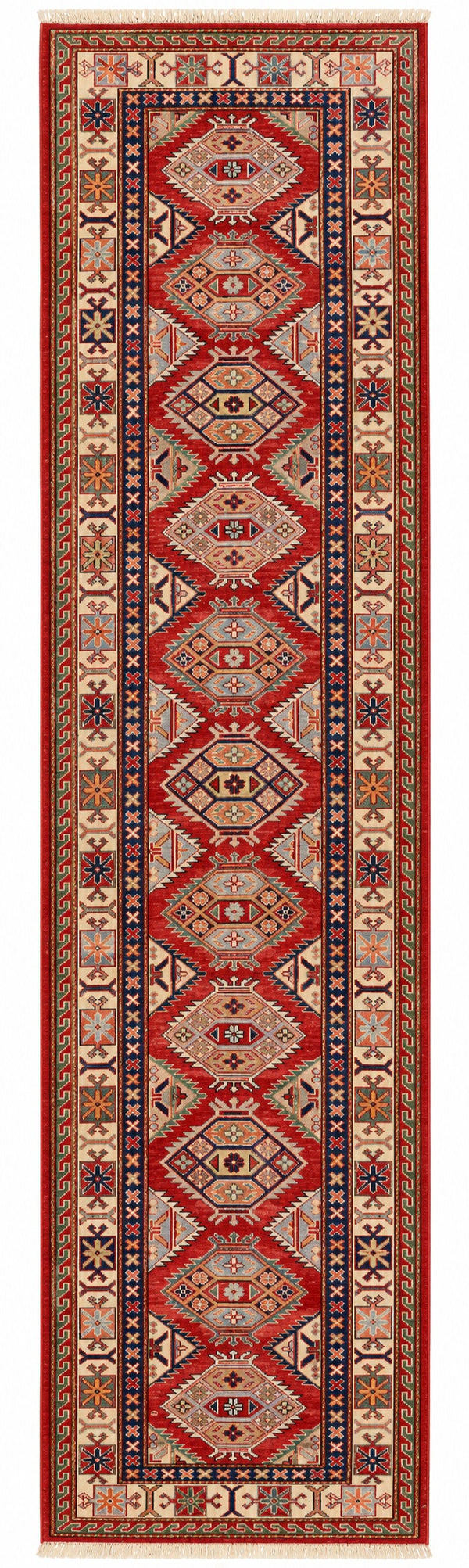
Kazak hand-knotted wool runner, 2.6 × 10.3 ft
Nº 02KazakRunner2.6 × 10.3 ftRs 176,000 Single piece
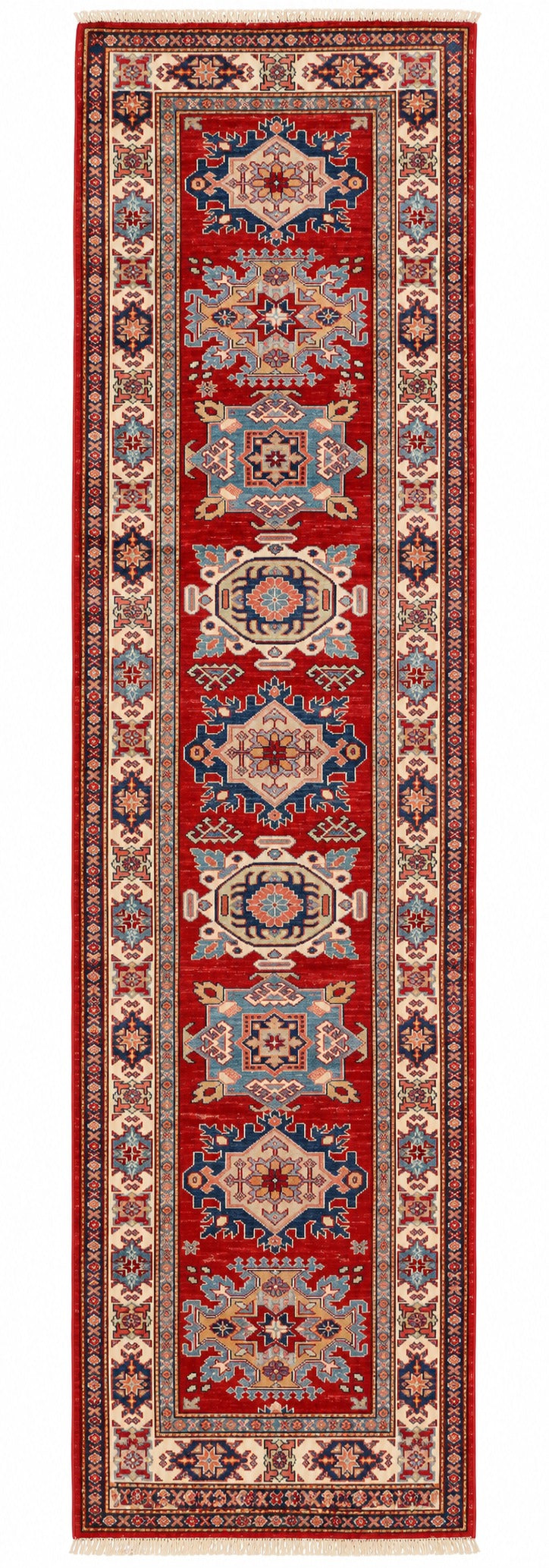
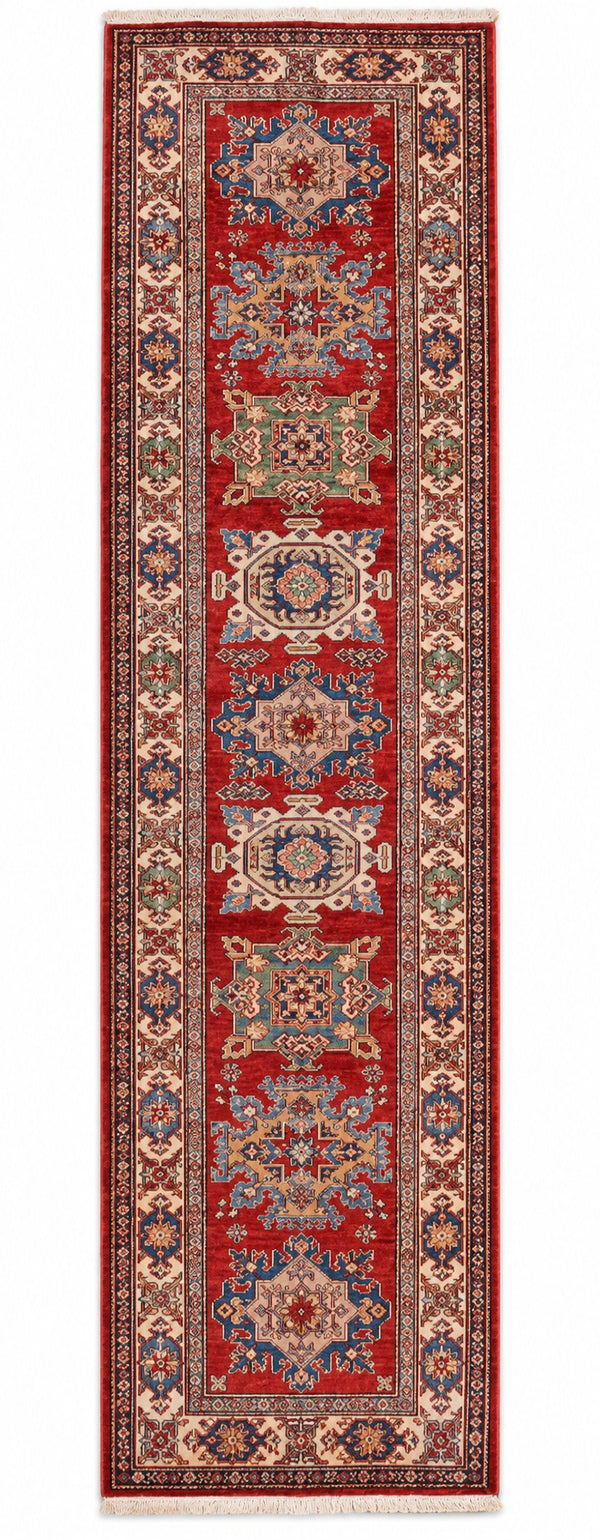
Kazak hand-knotted wool runner, 2.6 × 10.2 ft
Nº 03KazakRunner2.6 × 10.2 ftRs 174,000 Single piece
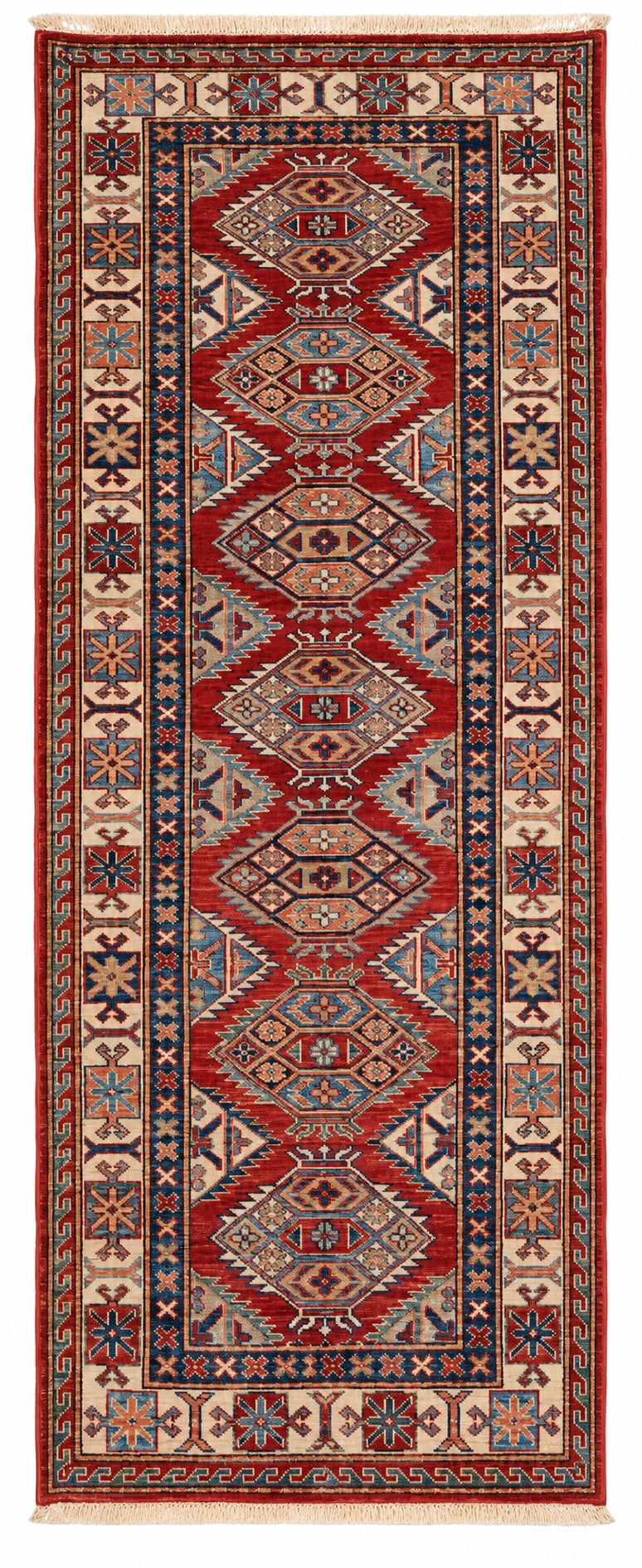
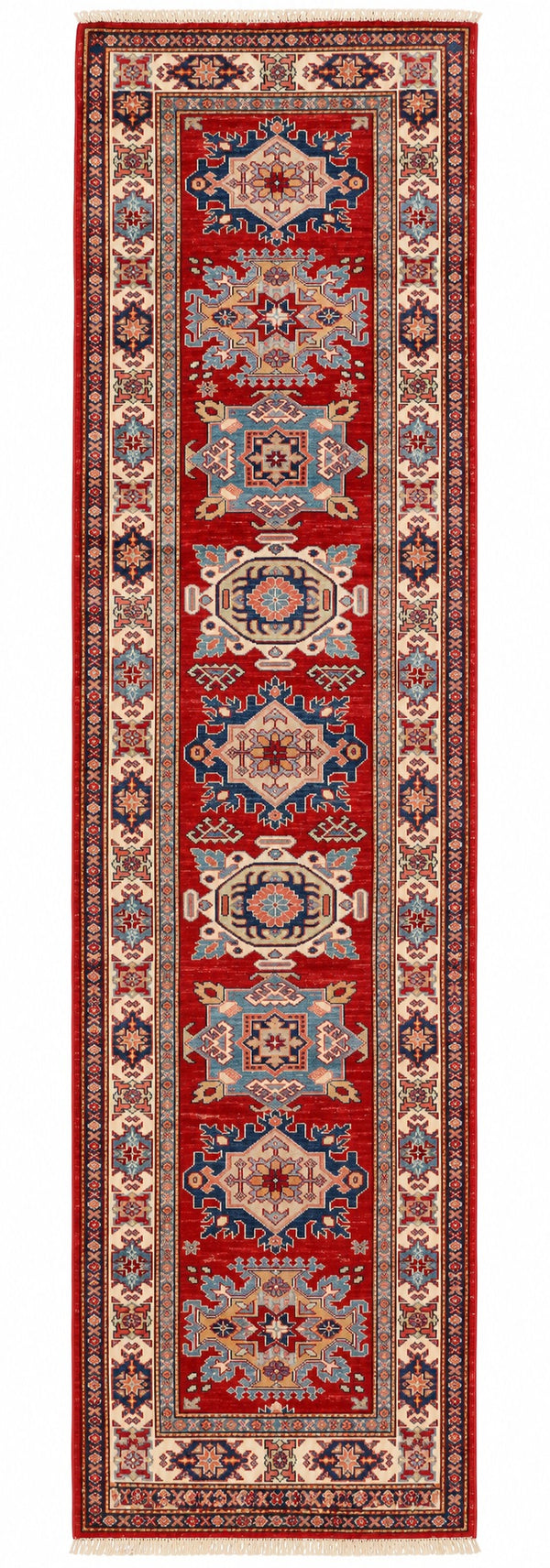
Kazak hand-knotted wool runner, 2.7 × 9.9 ft
Nº 04KazakRunner2.7 × 9.9 ftRs 176,000 Single piece
Kazak hand-knotted wool runner, 2.6 × 9.8 ft
Nº 05KazakRunner2.6 × 9.8 ftRs 167,000 Single piece
Kazak hand-knotted wool runner, 2.7 × 7 ft
Nº 06KazakRunner2.7 × 7 ftRs 122,000 Single piece
Kazak hand-knotted wool runner, 2.6 × 6.9 ft
Nº 07KazakRunner2.6 × 6.9 ftRs 118,000 Single piece
Kazak hand-knotted wool runner, 2.4 × 6.8 ft
Nº 08KazakRunner2.4 × 6.8 ftRs 108,000 Single piece
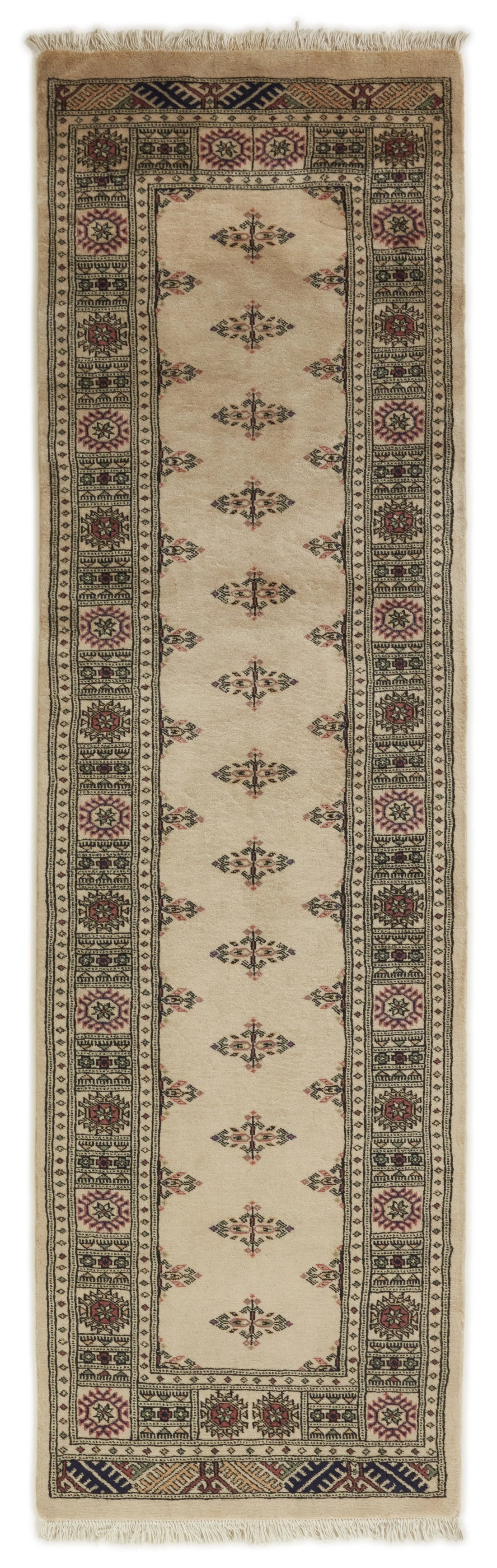
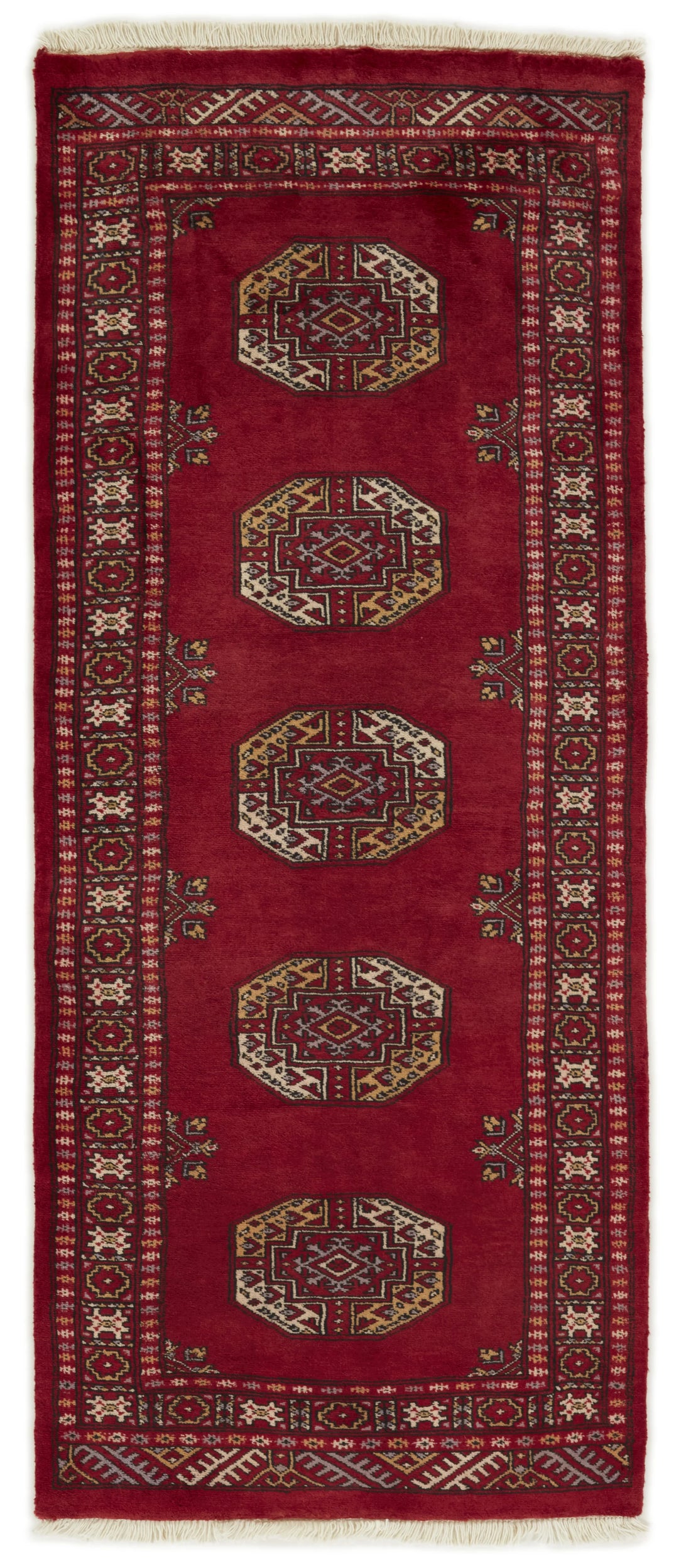
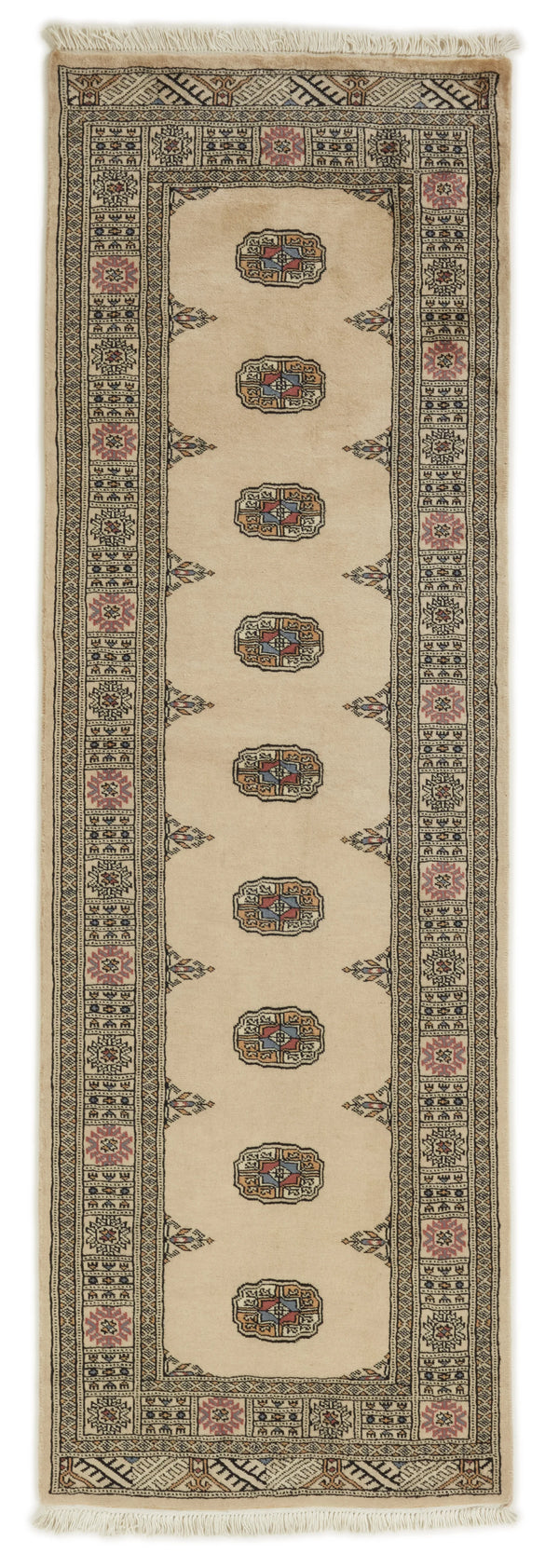
Bokhara Tekke three-ply hand-knotted wool runner, 2.5 × 8.5 ft
Nº 09Bokhara TekkeRunner 3ply2.5 × 8.5 ftRs 86,000 Held in depth
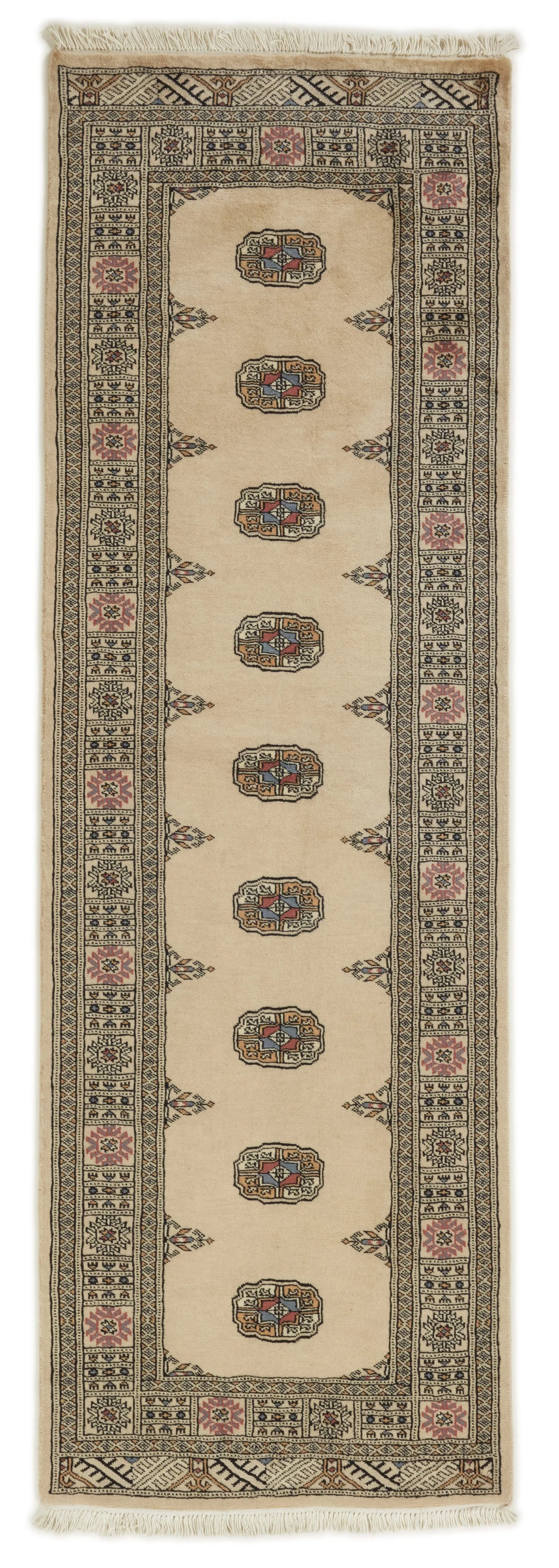
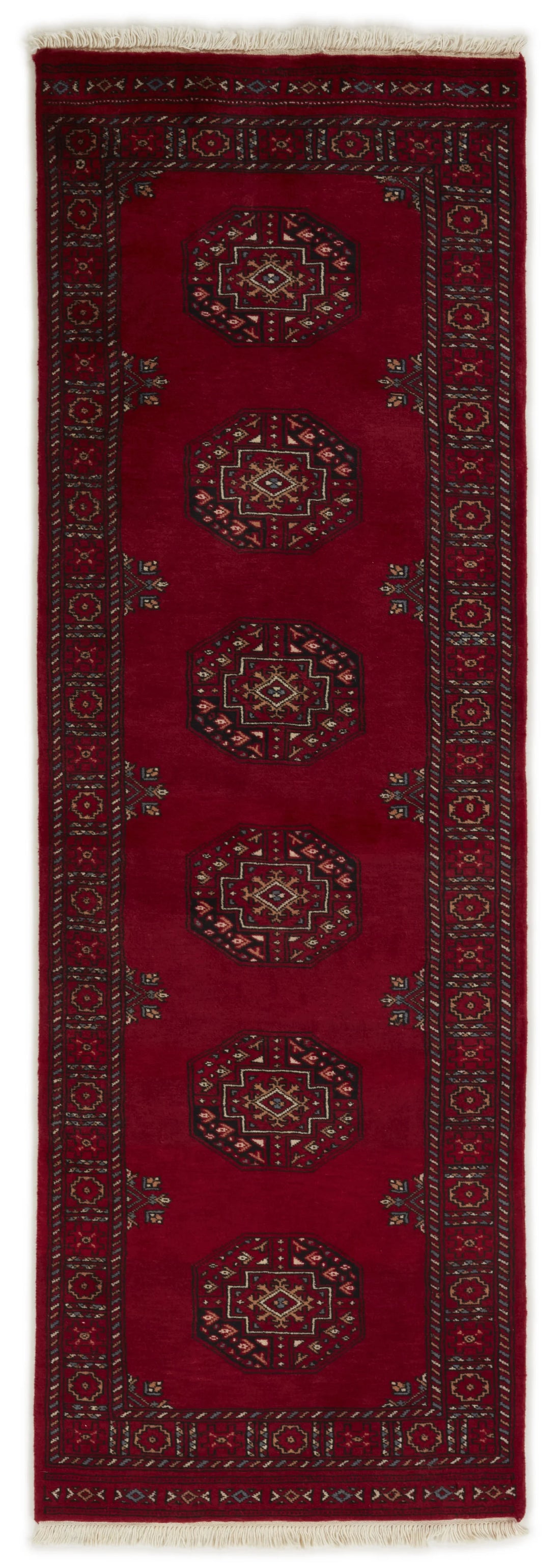
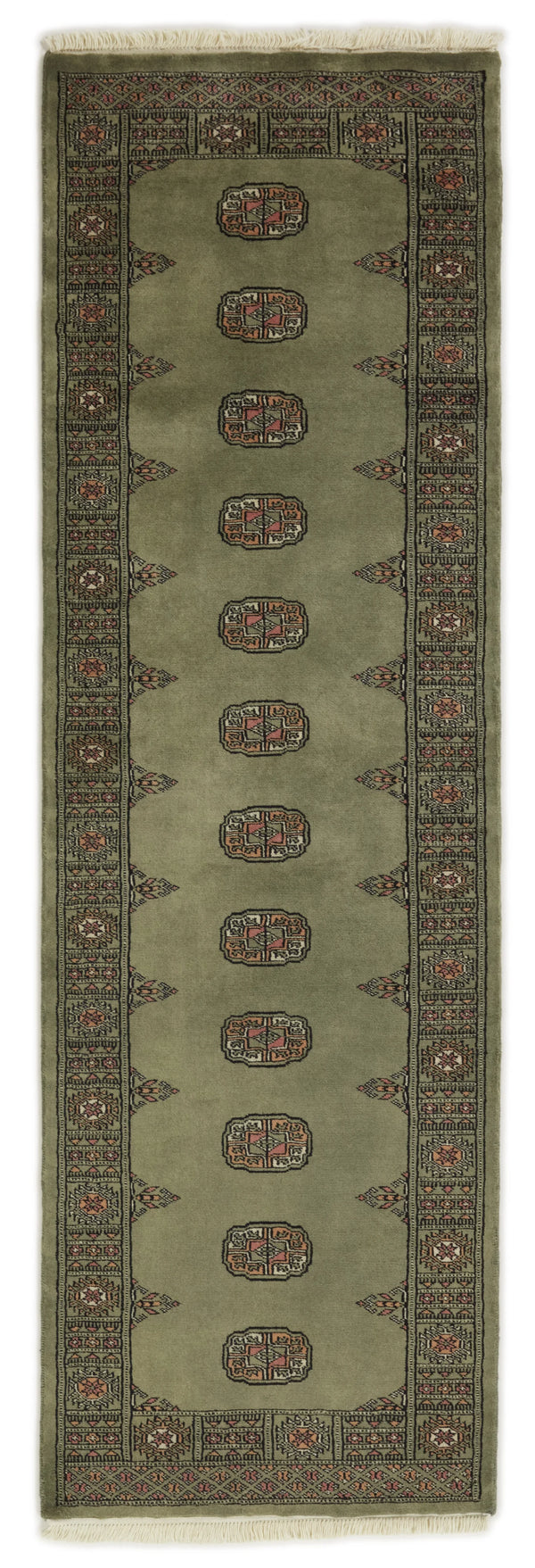
Bokhara Gul three-ply hand-knotted wool runner, 2.6 × 8.1 ft
Nº 10Bokhara GulRunner 3ply2.6 × 8.1 ftRs 84,000 Held in depth
Bokhara Tekke three-ply hand-knotted wool runner, 2.6 × 7.8 ft
Nº 11Bokhara TekkeRunner 3ply2.6 × 7.8 ftRs 81,500 Held in depth
Bokhara Gul three-ply hand-knotted wool runner, 2.5 × 7.9 ft
Nº 12Bokhara GulRunner 3ply2.5 × 7.9 ftRs 79,000 Held in depth
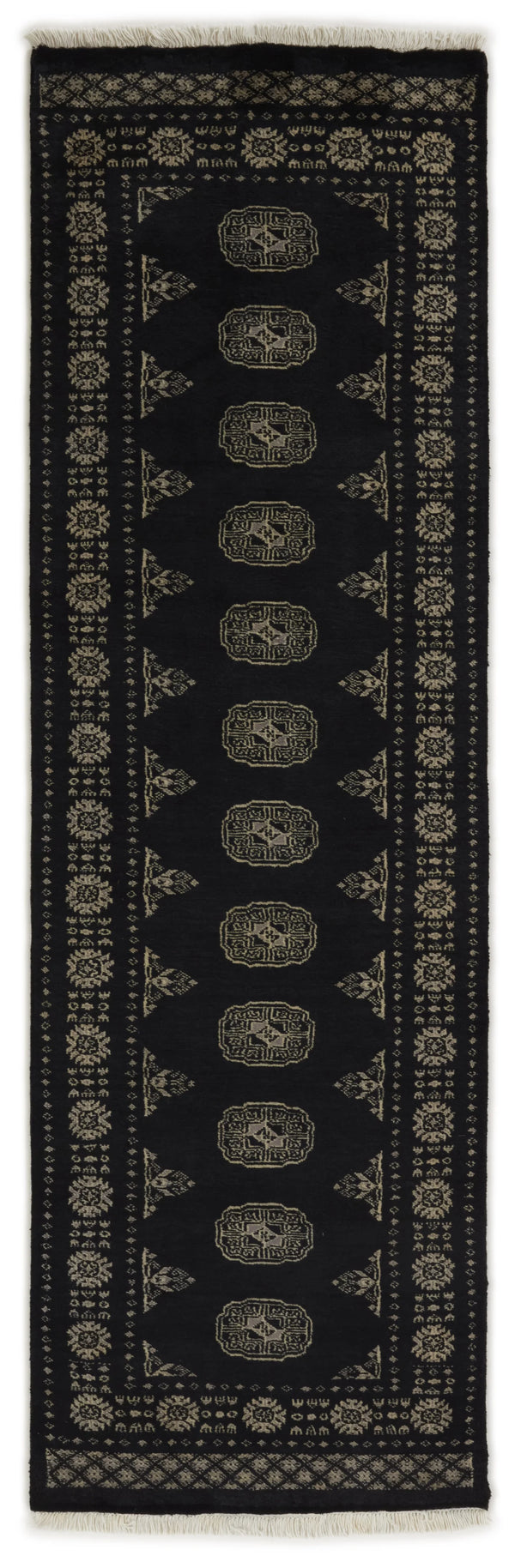
Bokhara Tekke three-ply hand-knotted wool runner, 2.6 × 7.8 ft
Nº 13Bokhara TekkeRunner 3ply2.6 × 7.8 ftRs 80,000 Held in depth
Bokhara Tekke three-ply hand-knotted wool runner, 2.7 × 8 ft
Nº 14Bokhara TekkeRunner 3ply2.7 × 8 ftRs 87,000 Held in depth
Bokhara Gul three-ply hand-knotted wool runner, 2.5 × 8 ft
Nº 15Bokhara GulRunner 3ply2.5 × 8 ftRs 81,000 Held in depth
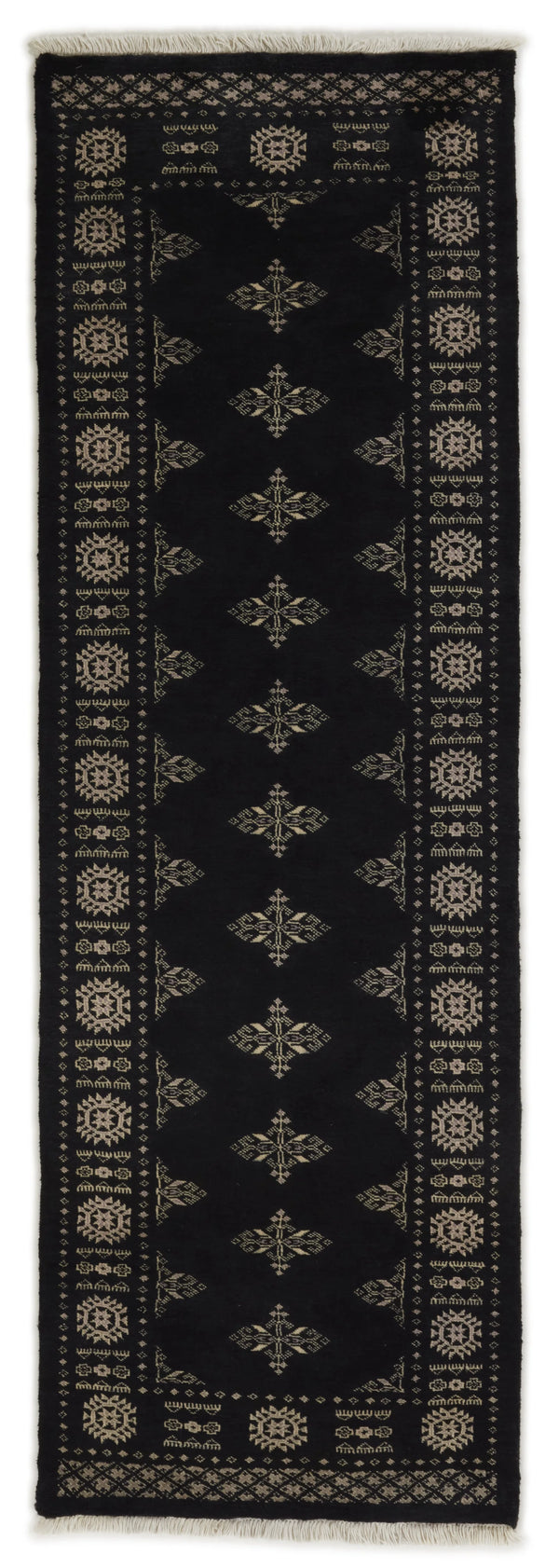
Bokhara Filpa three-ply hand-knotted wool runner, 2.5 × 7.6 ft
Nº 16Bokhara FilpaRunner 3ply2.5 × 7.6 ftRs 76,500 Held in depth
Bokhara Gul three-ply hand-knotted wool runner, 2.7 × 6.6 ft
Nº 17Bokhara GulRunner 3ply2.7 × 6.6 ftRs 70,000 Held in depth
Bokhara Gul three-ply hand-knotted wool runner, 2.7 × 6.4 ft
Nº 18Bokhara GulRunner 3ply2.7 × 6.4 ftRs 67,500 Held in depth
Bokhara Gul three-ply hand-knotted wool runner, 2.6 × 6.4 ft
Nº 19Bokhara GulRunner 3ply2.6 × 6.4 ftRs 66,500 Held in depth
Bokhara Gul three-ply hand-knotted wool runner, 2.6 × 6.7 ft
Nº 20Bokhara GulRunner 3ply2.6 × 6.7 ftRs 69,500 Held in depth
Bokhara Filpa three-ply hand-knotted wool runner, 2.7 × 6.5 ft
Nº 21Bokhara FilpaRunner 3ply2.7 × 6.5 ftRs 70,500 Held in depth
Bokhara Filpa three-ply hand-knotted wool runner, 2.5 × 7.6 ft
Nº 22Bokhara FilpaRunner 3ply2.5 × 7.6 ftRs 76,500 Held in depth
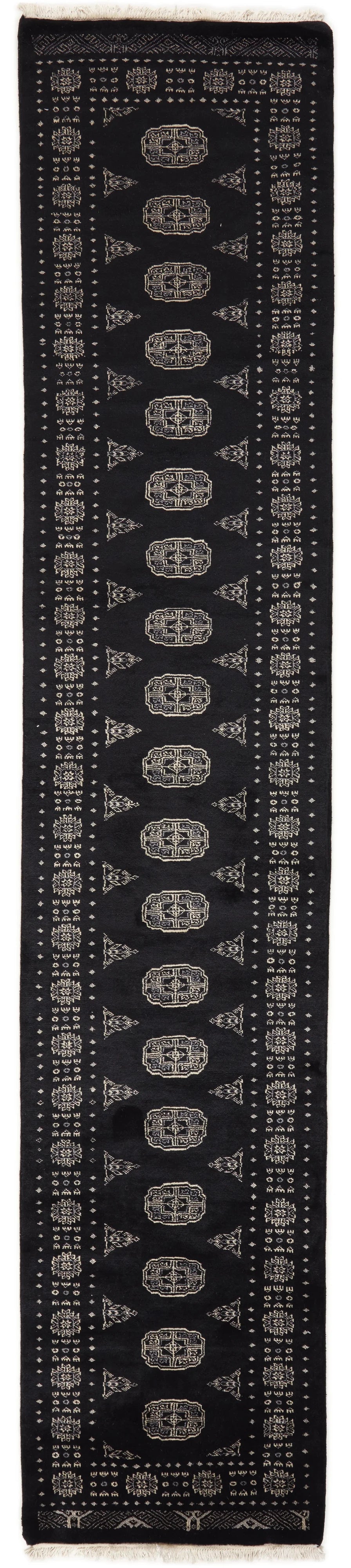
Bokhara Gul three-ply hand-knotted wool runner, 2.6 × 12.6 ft
Nº 23Bokhara GulRunner 3ply2.6 × 12.6 ftRs 128,500 Held in depth
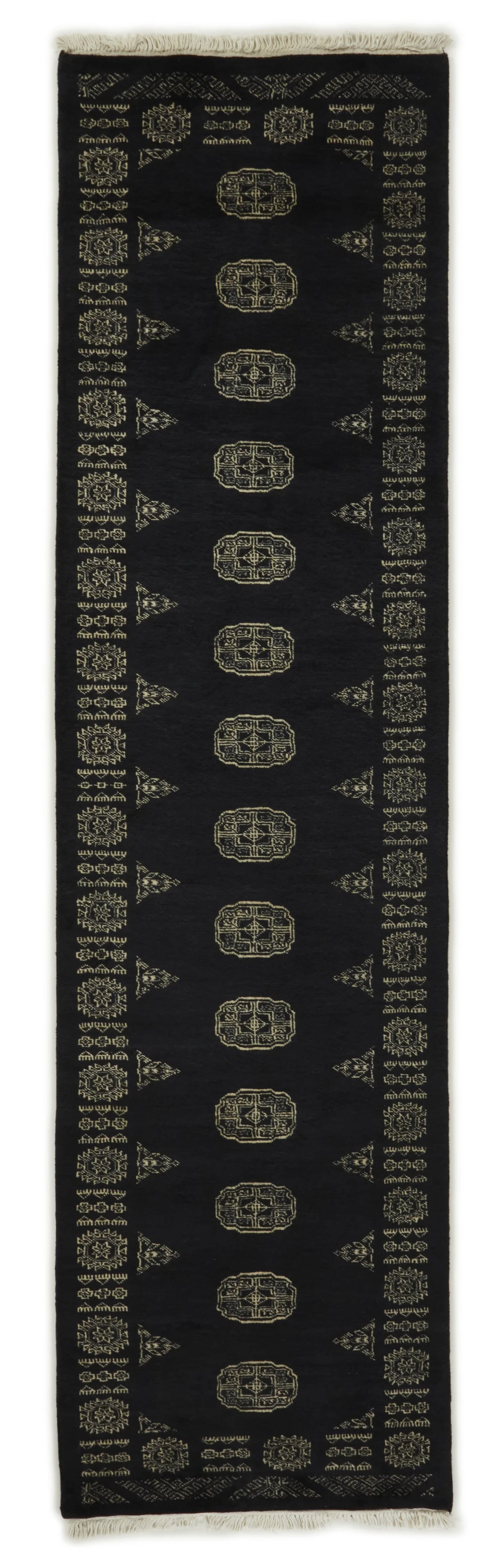
Bokhara Gul three-ply hand-knotted wool rug, 2.5 × 9.3 ft
Nº 24Bokhara Gul3ply2.5 × 9.3 ftRs 94,000 Held in depth
End of the room

That is the selection online.

The house holds a great deal more than is shown here. What you do not see, ask for.
The tradition

Runners rugs

What makes a rug a runner

A runner is defined by proportion, not by size. The field is at least two and a half times longer than it is wide, which changes what the pattern has to do: a design built around one central medallion falls apart when stretched, because the centre stops being the centre. A runner needs a pattern that repeats without a single focal point. The Bokhara gul does it by repeating across the whole field; a Kazak runner does it by setting its medallions one above the next, so that no one of them becomes the centre. Those are the two traditions on this page.

Named runners, and one rug that will do the job

Most pieces on this page were woven as runners and are named as such. One is a Bokhara Gul at 2.5 by 9.3 feet — a rug by name, but at a ratio of nearly four to one it behaves like a runner and will sit in a hall exactly as one. It is here because someone measuring a nine-foot corridor should see it. It is not described as a runner anywhere that describes what the object is, only here, where the question is what will work.

How long a runner you need

Measure the run of floor and take about a foot off each end. A runner that reaches the skirting board at both ends makes a hallway read as a corridor; leaving the floor visible at each end makes the same hallway read as a room with a path through it. For a stair or a galley kitchen, leave the width free instead — four to six inches of floor on either side. Lengths online run from 6.4 feet to 12.6 feet, which covers most domestic halls and the long side of a kitchen island.

Why the width barely varies

The runners here all sit between 2.4 and 2.7 feet wide. That is not a coincidence. It is the width at which two people can pass and a door can still open over the pile, and it has been the working width of the hand-knotted runner for a very long time. Wider than three feet and the piece stops behaving like a runner; much narrower and it reads as a strip.

Where a hand-knotted runner earns its place

The hall is the obvious one, and the hardest floor in a house: constant traffic, shoes, the narrowest point in the plan. A hand-knotted wool pile survives that far better than a flatweave, and a repeated pattern hides the wear a plain field would show. Beyond the hall, a runner works along a kitchen island, down one side of a bed, and on a landing where a square rug would have to be cut around the stair.

Gul, Tekke and Filpa, at runner scale

The three Bokhara drawings behave differently once the field is long. Gul, the classical form, holds its rhythm over distance and is the most forgiving. Tekke draws tighter and closer, so a Tekke runner reads as denser and more formal. Filpa sets the medallion at a bolder scale, which at runner width means fewer, larger forms and a piece that carries down a dark corridor. All three are here, and because Bokhara is held in depth, the same drawing can be supplied again for a second hall.

Kazak, at runner scale

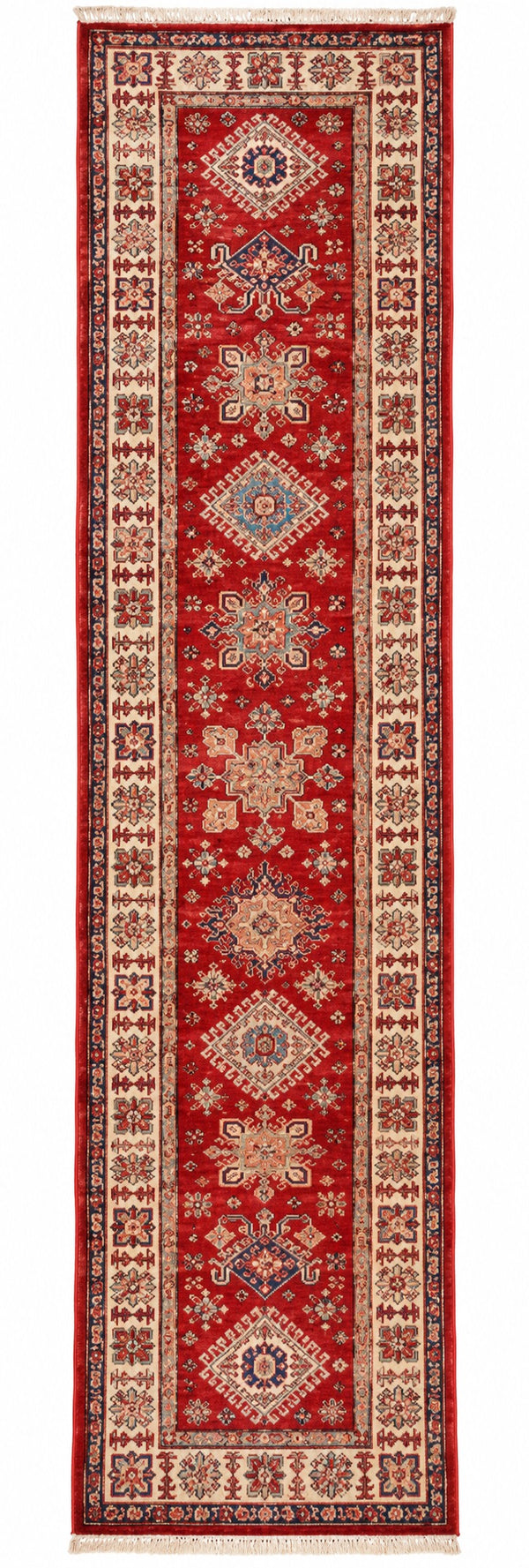
A Kazak runner stacks its medallions down the length — stars, hooked forms and stepped diamonds in red, blue and ivory — so the eye travels the piece the way a person walks it. Where a Bokhara settles a hall, a Kazak announces it. Each Kazak runner here is a single piece; when two runners must match, the answer is Bokhara. Every Kazak the house holds online is one click away, and the bold and graphic pieces set them beside Mamluk and Khurjin.

Questions

What is a runner rug?

A runner is a rug whose length is at least two and a half times its width, made for a route rather than a room — a hallway, a galley kitchen, a landing, or the floor along one side of a bed.

What size runner do I need for a hallway?

Measure the run of floor and subtract roughly one foot at each end. Leaving floor visible at both ends makes a hallway read as a room with a path through it rather than as a corridor. The runners online run from 6.4 to 12.6 feet long.

How wide should a runner rug be?

Between about two and a half and three feet. That is the width at which two people can pass and a door still clears the pile. Every runner here is between 2.4 and 2.7 feet wide.

Are hand-knotted runners suitable for a hallway or kitchen?

They are the best choice for it. A hand-knotted wool pile withstands constant traffic far better than a flatweave or a machine-made rug, and a repeated pattern disguises wear that a plain field would show.

Which designs make good runners?

Designs that repeat without one focal point. The Bokhara gul repeats across the whole field; a Kazak runner sets its medallions one above the next. A design built around a single central medallion falls apart when stretched to four times its width, because the centre stops reading as the centre.

Can Loomish supply matching runners?

Yes, in Bokhara. Bokhara is held in depth — many pieces to a design and many to a size — so a matching pair or a set for a corridor is answered from stock in Lahore. Each Kazak runner is a single piece. Send the lengths.

Can a rug that is not called a runner be used as one?

Yes, when the proportion is right. One piece on this page is a Bokhara Gul at 2.5 by 9.3 feet — named a rug, but at nearly four to one it behaves like a runner. Loomish keeps the distinction because the two are different claims: what a piece is, and what a piece will do.