Collection

Ziegler

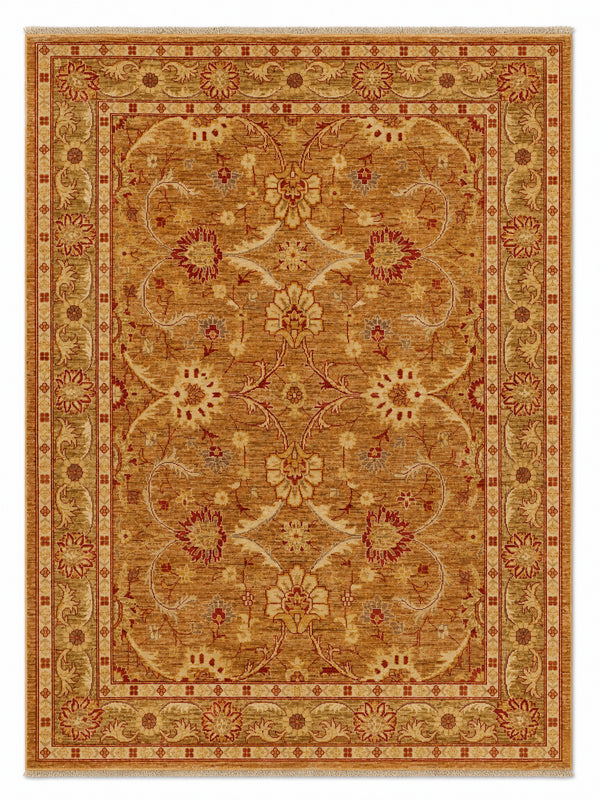
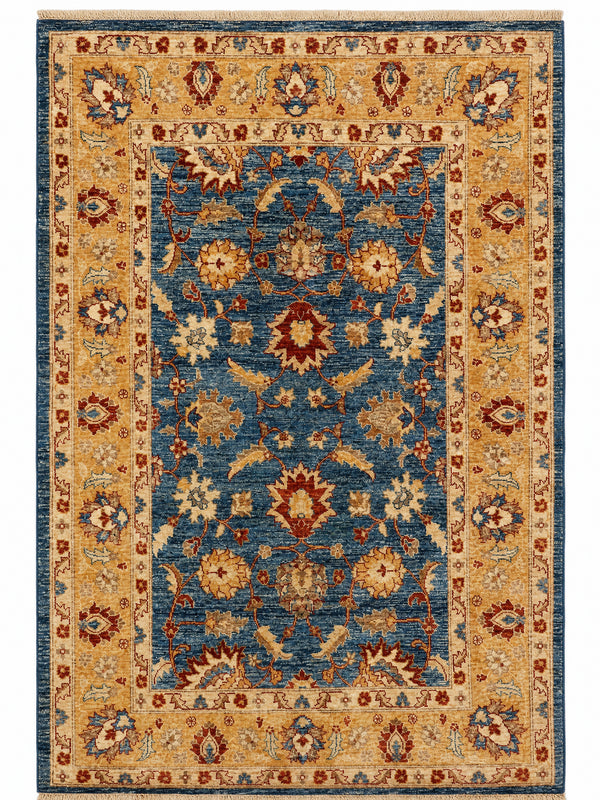
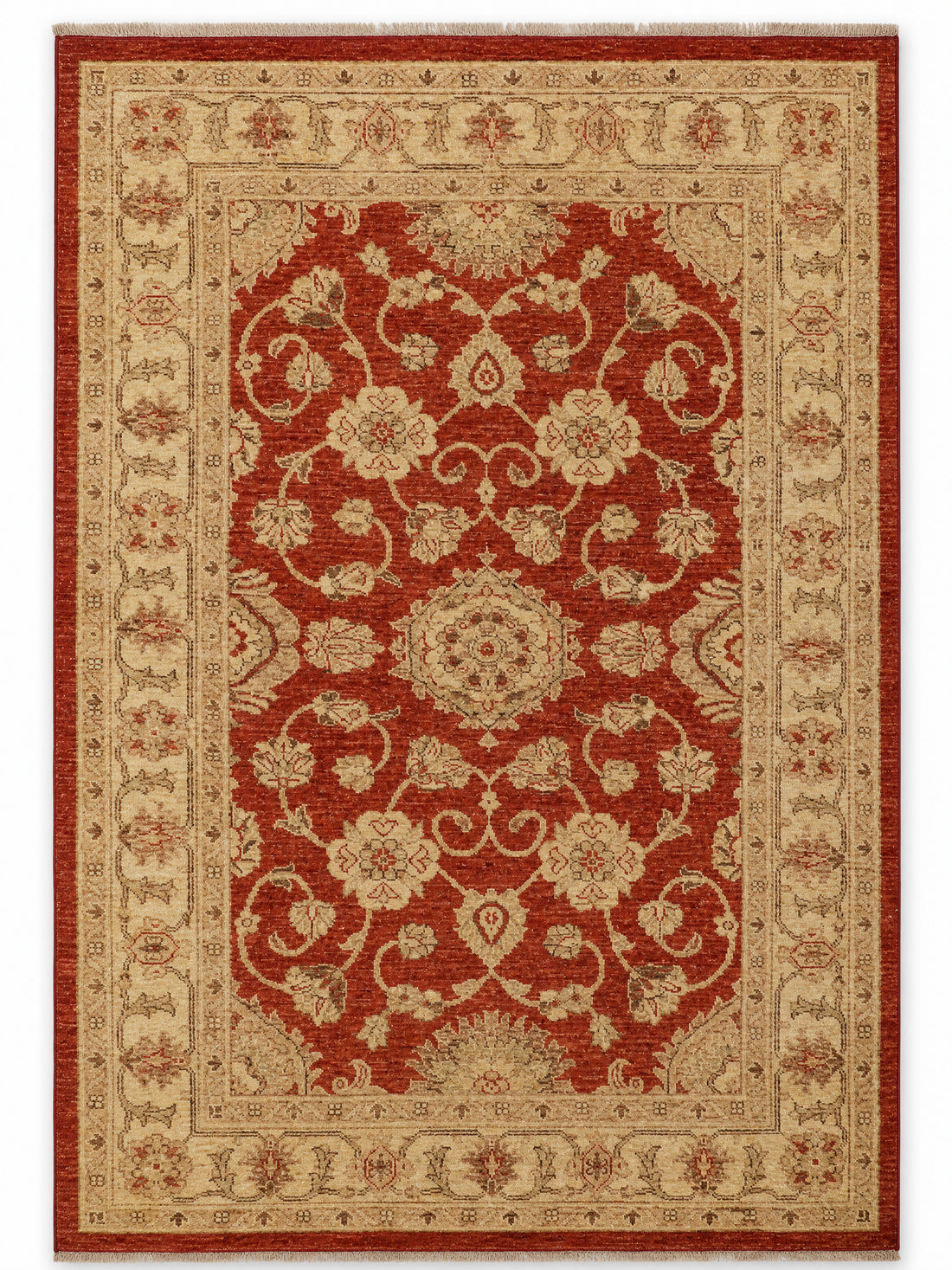
The beauty of restraint. The Loomish Ziegler collection celebrates a carpet tradition that changed the way the world experienced Persian design — softer, calmer, and created with a rare sense of balance. Known for spacious floral patterns, gentle movement, and colours that feel naturally aged with time, Ziegler carries an elegance that never needs to announce itself. These are pieces chosen for their quiet presence: carpets that don’t overpower a room, but completely transform the way it feels.

7 pieces online now
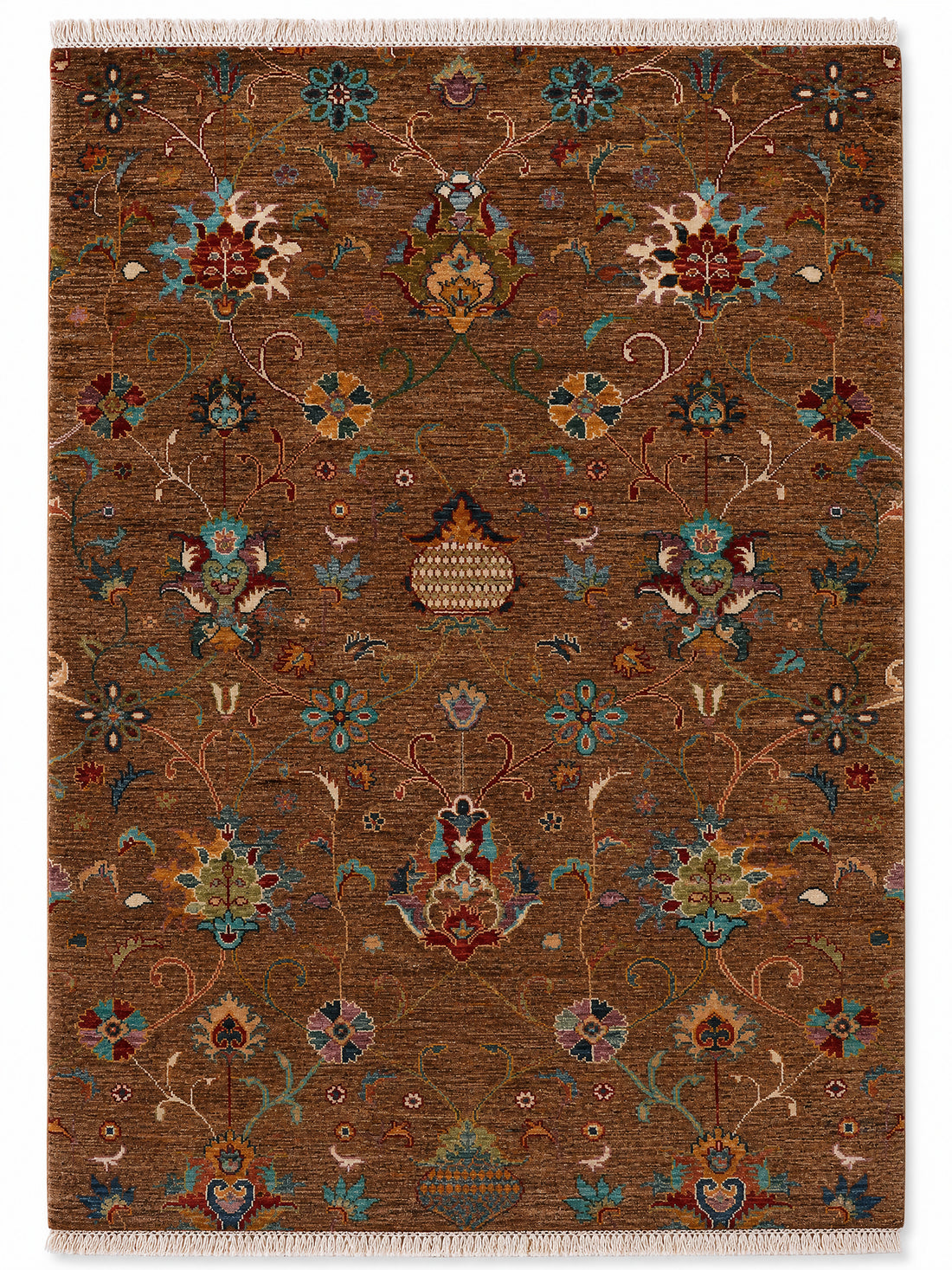
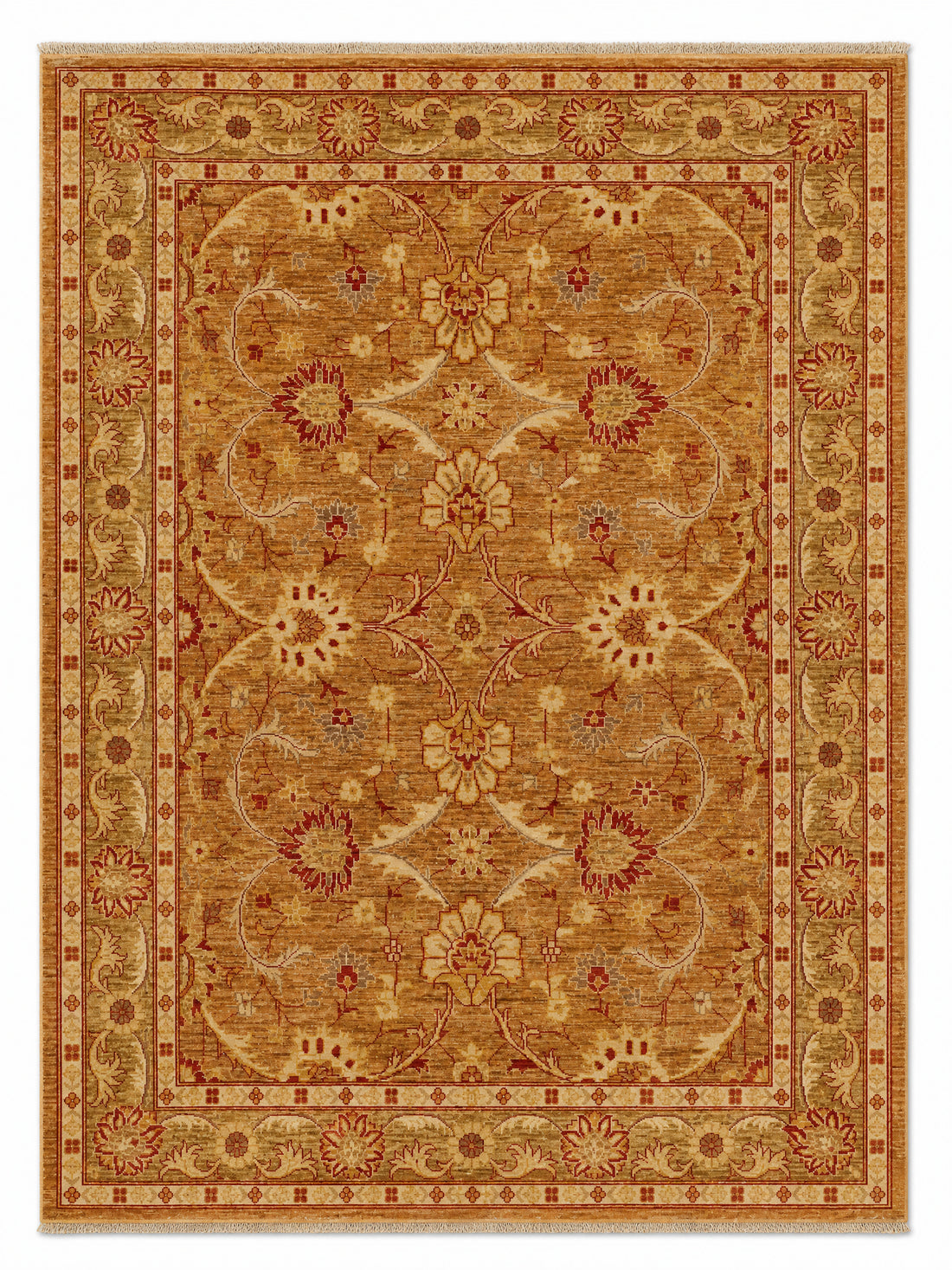
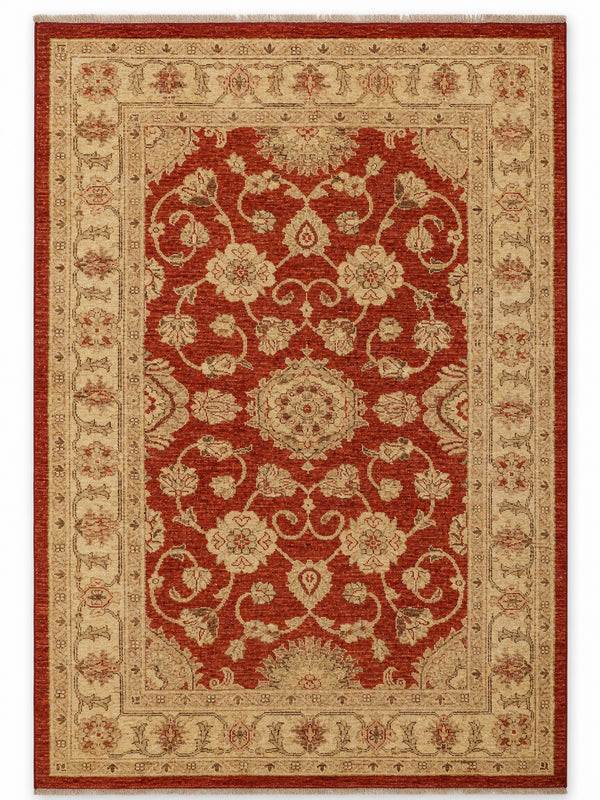
Ziegler Florin hand-knotted rug, 4 × 6 ft
Nº 01ZieglerFlorin4 × 6 ftRs 153,500 Single piece
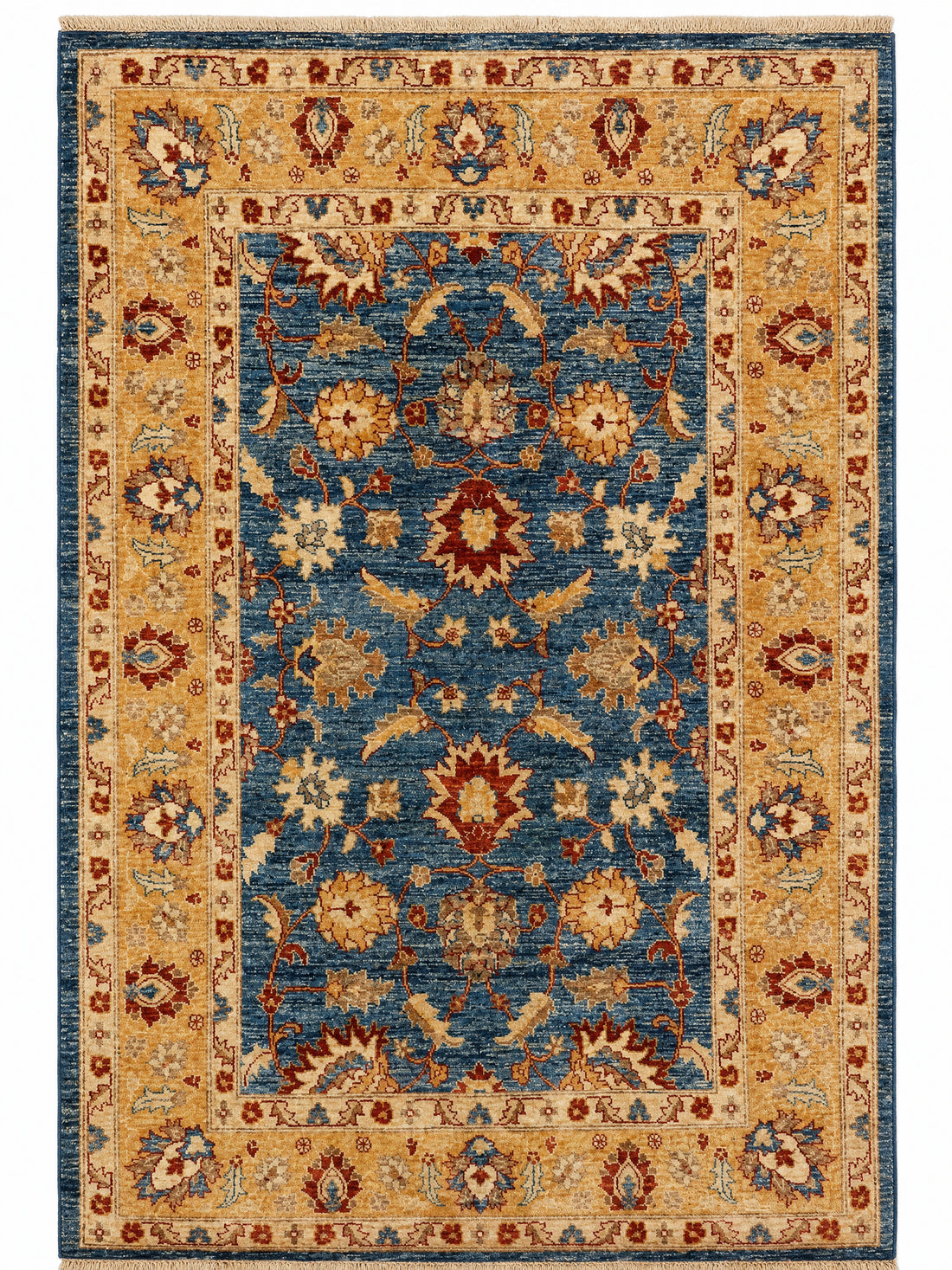
Agra Verse hand-knotted wool rug, 4 × 5.8 ft
Nº 02AgraVerse4 × 5.8 ftRs 149,500 Single piece
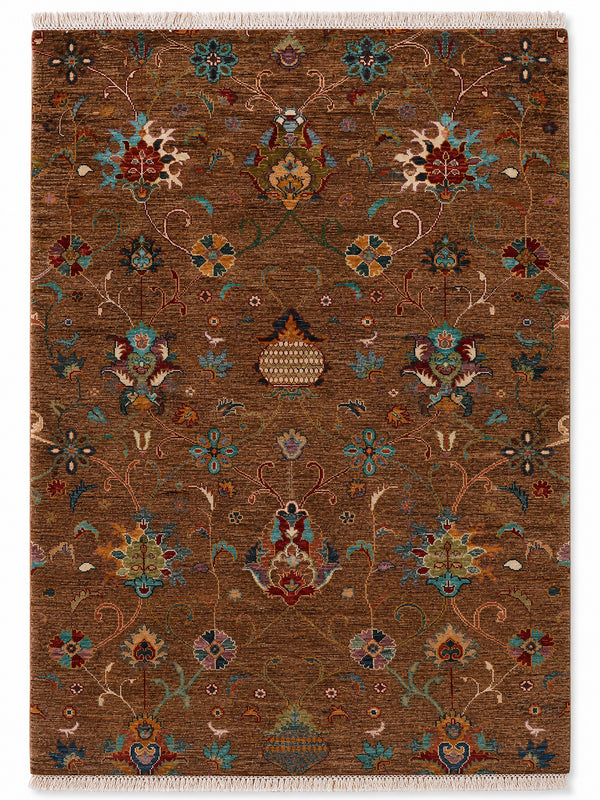
Ziegler Tracery hand-knotted rug, 9.9 × 13.3 ft
Nº 03ZieglerTracery9.9 × 13.3 ftRs 867,000 Single piece
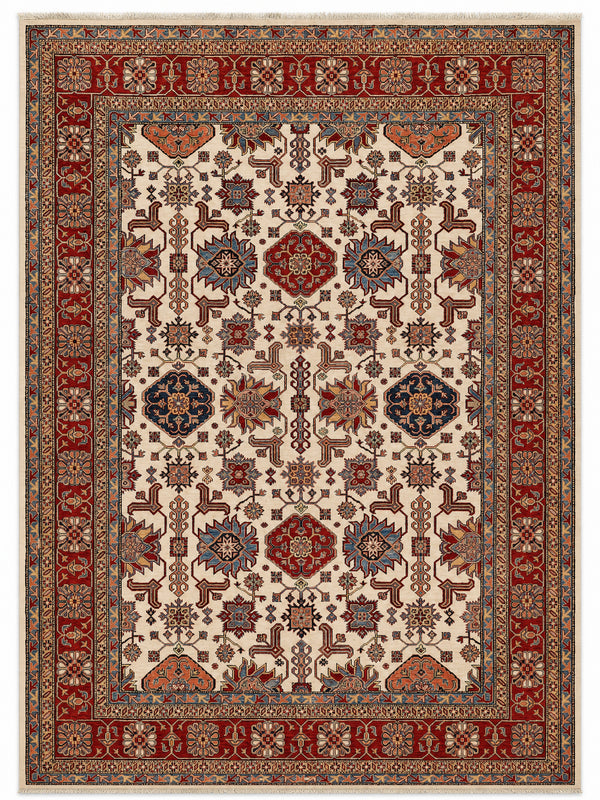
Ziegler Tracery hand-knotted rug, 8 × 10.3 ft
Nº 04ZieglerTracery8 × 10.3 ftRs 544,000 Single piece
Ziegler Tracery hand-knotted rug, 6.4 × 8.2 ft
Nº 05ZieglerTracery6.4 × 8.2 ftRs 346,500 Single piece
Ziegler Florin hand-knotted rug, 5 × 6.6 ft
Nº 06ZieglerFlorin5 × 6.6 ftRs 213,000 Single piece
Ziegler Florin hand-knotted rug, 4.4 × 6.5 ft
Nº 07ZieglerFlorin4.4 × 6.5 ftRs 187,500 Single piece
End of the room

That is the selection online.

The house holds a great deal more than is shown here. What you do not see, ask for.
The tradition

Ziegler rugs

What a Ziegler rug is

A Ziegler is a hand-knotted rug in the style developed in the 1880s, when the Swiss firm Ziegler and Company set up carpet production in Sultanabad, in western Persia, weaving specifically for European and American interiors. The designs softened the dense Persian floral tradition: larger repeats, more open fields, and colour pulled back toward the muted.

Why it was designed that way

The commercial intent is the whole reason the style works. Ziegler was drawing for rooms it had never seen, which meant the carpet could not assume a particular wall colour, a particular furniture scale, or a particular light. What came out of that constraint was a design that gives a room a ground to stand on without asking for the eye. More than a century later that is still the most useful thing a carpet can do.

The palette

All-over vine and palmette drawn at a generous scale, in madder that has faded toward terracotta, with sage, sand and old ivory. Nothing is at full saturation. The colours are chosen to look as though they have already been lived with, which is why a new Ziegler does not read as new.

Where a Ziegler sits

This is the most forgiving of the traditions held here. A Ziegler recedes, so it can go into a room that is already busy and settle it rather than add to it. Pieces run from about 4 × 6 ft to 9.9 × 13.3 ft, the largest of them drawn for an open-plan room where the carpet has to define where one area ends.

Questions

What is a Ziegler rug?

A Ziegler is a hand-knotted rug in the style developed in the 1880s by Ziegler and Company in Sultanabad, western Persia, for European and American interiors. It is recognised by open fields, large-scale all-over vine and palmette drawing, and a deliberately muted palette.

What is the difference between a Ziegler and a Persian rug?

A Ziegler is a Persian rug, but a particular kind. It takes the Sultanabad floral tradition and opens it out — fewer motifs at a larger scale, more empty ground, and colour softened rather than saturated.

Why are Ziegler rugs so popular with interior designers?

Because they were designed from the start not to dominate. The muted palette and open field let a Ziegler sit under almost any furniture and in almost any light without competing, which is rare in a patterned carpet.

What colours do Ziegler rugs come in?

Terracotta and faded madder, sage green, sand, old ivory and soft grey-blue. The defining quality is that none of them are used at full strength.

Are Ziegler rugs suitable for large open-plan rooms?

They are well suited to them. The all-over pattern has no single centre, so the rug works when only part of it is visible, and larger sizes are used to define an area within an open plan rather than fill a boxed room.